The Global Economic Impact of Pandemics and Natural Disasters
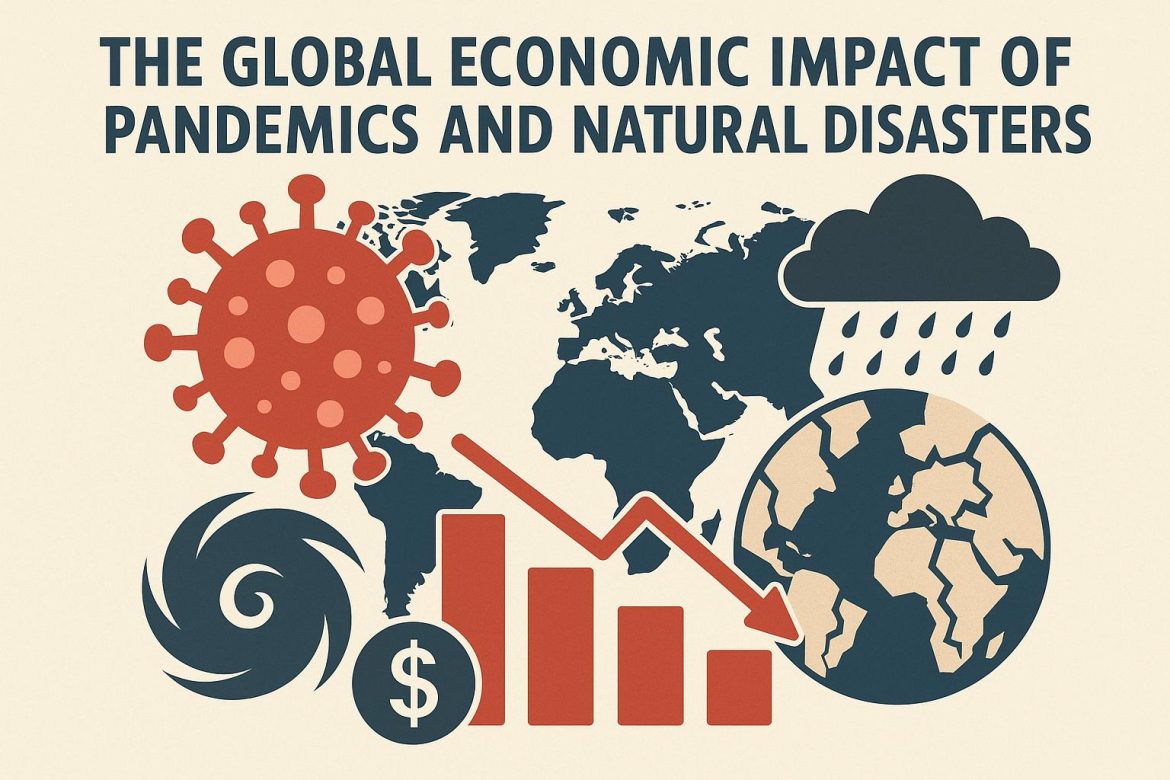
Pandemics and natural disasters have been a recurring challenge throughout history, exerting profound impacts on global economies. These events disrupt key sectors such as health services, supply chains, and workforce availability, necessitating robust strategies for economic resilience and recovery. This article explores these impacts through various perspectives.
Economic Disruptions
Supply Chain Interruptions: Pandemics and natural disasters often cause significant disruptions in global supply chains. These interruptions arise from damage to infrastructure, such as roads and ports, and from restrictions on the movement of goods and people. Such disruptions can lead to delayed production schedules, increased transportation costs, and shortages of essential products. This is particularly evident when critical infrastructure is damaged or destroyed, making it challenging to transport goods efficiently. In addition, during pandemics, increased border controls and safety measures can further exacerbate delays and increase costs. These challenges necessitate businesses to reconsider their supply chain strategies to include more flexible and resilient models that can withstand unforeseen events.
Labor Market Impacts: The labor market is particularly vulnerable during pandemics and natural disasters. Health crises, such as the COVID-19 pandemic, lead to decreased workforce participation due to illness or caregiving responsibilities. The consequences are multifaceted, affecting both the quantity of labor available and the quality of labor demand. For instance, a decreased workforce can lead to reduced productivity, which in turn impacts the growth potential of economies. In contrast, natural disasters, such as hurricanes or earthquakes, can also displace workers and reduce employment opportunities in affected areas, leading to regional economic disparities. Therefore, labor markets need adaptive measures that support worker relocation and retraining to minimize long-term economic impacts.
Sector-Specific Consequences
Healthcare Costs: A significant economic consequence of pandemics is increased healthcare expenditure. This includes both direct costs, such as medical supplies and staffing, and indirect costs, like lost productivity due to illness. The strain on healthcare systems can redirect resources from other critical areas, affecting broader economic stability. Healthcare systems need to efficiently manage resources to minimize these disruptions, often necessitating the reallocation of budgets and increased investments in healthcare infrastructure and personnel.
Agricultural Impacts: Natural disasters can have severe effects on agriculture, disrupting food production and supply. Floods, droughts, and storms can destroy crops and reduce land productivity, resulting in economic losses for farmers and increased food prices. This can have far-reaching effects, as agriculture is a key economic sector, particularly in developing countries where a large portion of the population relies on farming for their livelihood. Ensuring food security becomes a priority, requiring interventions such as crop insurance, investment in resilient agricultural practices, and robust disaster response mechanisms.
Resilience and Recovery
A critical aspect of mitigating economic impacts is enhancing resilience and implementing effective recovery strategies. Governments and organizations worldwide focus on building systems that can withstand shocks and recover swiftly. This includes strengthening economic systems and frameworks that support rapid response and recovery in the wake of disasters.
Investments in Infrastructure: Strengthening infrastructure to withstand natural disasters is essential. Investments in durable roads, bridges, and communication systems can help maintain economic activities and facilitate quicker recovery after disasters. These investments not only protect against immediate damage but also contribute to long-term economic growth by providing reliable infrastructure necessary for economic activities. The focus on infrastructure extends beyond physical structures to include digital infrastructure, ensuring communication systems remain operational during crises, facilitating effective response and recovery efforts.
Policy Measures: Implementing robust policies, including emergency preparedness and responsive healthcare strategies, can significantly reduce the overall economic impact. Effective fiscal and monetary policies during crises, such as stimulus packages and interest rate adjustments, also help stabilize economies. Governments must strike a balance between immediate relief measures and long-term economic adjustments to support recovery and growth. Policies should aim at protecting the most vulnerable sectors while encouraging investments and innovations that enhance economic resilience.
International Cooperation
Global challenges necessitate international collaboration to effectively manage the economic impacts of pandemics and natural disasters. Shared resources, knowledge exchange, and coordinated responses can lead to more efficient and equitable global recovery. International organizations and agreements play a pivotal role in facilitating these cooperative efforts. Multilateral cooperation enables countries to pool resources, share information, and develop standardized responses that improve efficiency and effectiveness in crisis management. This collaboration is particularly crucial in addressing transboundary issues, such as pandemics, which require a coordinated international response.
In conclusion, while pandemics and natural disasters pose significant threats to global economies, strategic planning and international cooperation can mitigate their impacts. By focusing on resilience, countries can better prepare for these events and ensure more rapid economic recovery. The challenges posed by these global disruptions are complex, requiring comprehensive and coordinated efforts to address their multifaceted nature. Governments, businesses, and international organizations must work together to build resilient systems capable of withstanding and recovering from the inevitable disruptions caused by pandemics and natural disasters. For further reading on this topic, consider resources from organizations like the World Bank or the International Monetary Fund.
This article was last updated on: March 15, 2026