Introduction to Tariffs and Trade Barriers
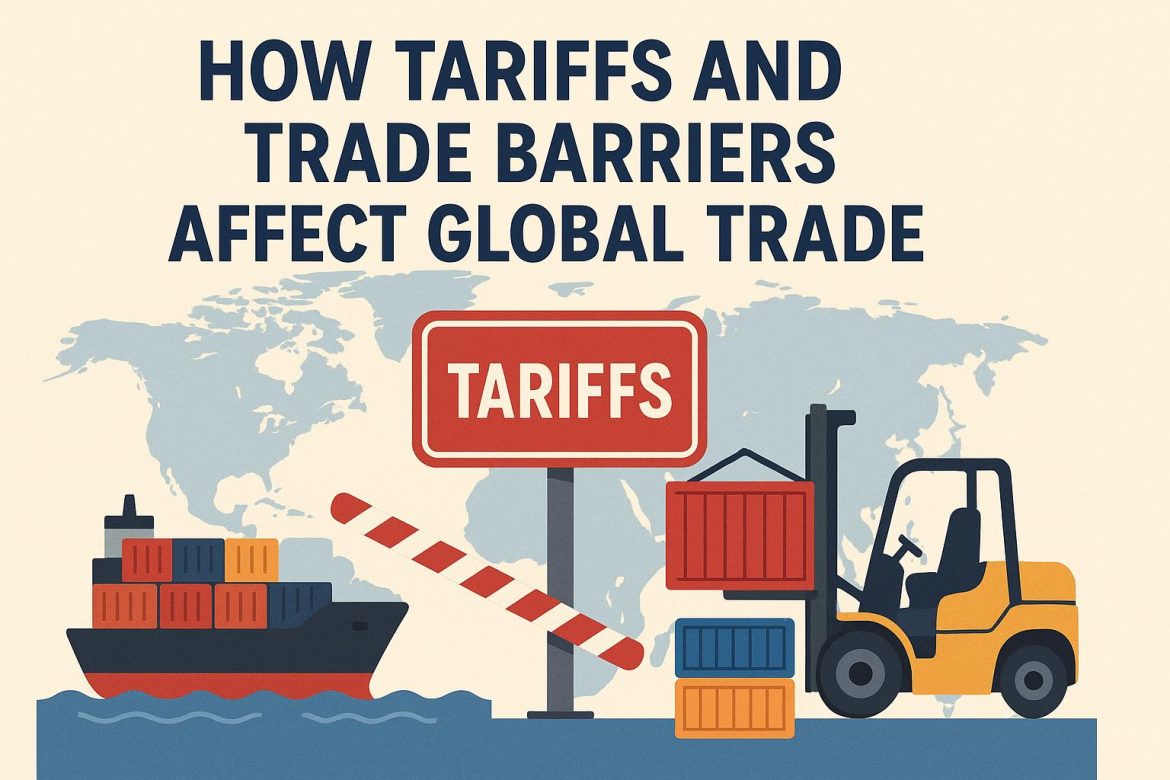
Tariffs and trade barriers are critical elements in shaping international commerce. They impact the flow of goods and services between countries and influence global trade dynamics, affecting economies worldwide. This article delves into these trade measures and examines their effects on global trade.
Understanding Tariffs
Tariffs are taxes imposed on imported goods and are a key tool used by governments to regulate trade. By applying a tariff, a country can make foreign goods more expensive, thereby encouraging consumers to buy domestically produced alternatives. They serve two primary purposes: protecting domestic industries and generating revenue for the government.
Types of Tariffs
Tariffs can be classified into several types, including ad valorem, specific, and compound tariffs. An ad valorem tariff is based on a percentage of the goods’ value. A specific tariff is a fixed fee imposed on a certain quantity of the goods. Lastly, a compound tariff is a combination of both ad valorem and specific tariffs. Each of these tariffs functions differently and serves various strategic economic purposes.
Ad Valorem Tariffs
The ad valorem tariff, being percentage-based, aligns the tax burden with the value of the imported goods. This system intrinsically adjusts for market price fluctuations, ensuring the revenue from tariffs aligns with changes in the market. However, the main complexity lies in assessing the true value of goods upon which the tariff is calculated, which can sometimes lead to disputes over valuation practices.
Specific Tariffs
Specific tariffs are particularly straightforward as they impose a fixed fee per physical unit of the good imported. This makes it easier to predict the tariff cost regardless of fluctuations in the market price. While this brings simplicity to the table, it does not adjust with the goods’ value changes, potentially leading to significant impacts when commodity prices swing widely.
Compound Tariffs
Compound tariffs combine elements of both ad valorem and specific tariffs. This dual nature allows them to address the shortcomings of the other two types when used in isolation. They provide a balanced approach, protecting government revenues from price shifts while also ensuring the taxation aligns with market values.
Trade Barriers: More than Just Tariffs
While tariffs are commonly addressed in the context of trade barriers, they are not the only instruments used to influence international trade. Non-tariff barriers (NTBs) also play a significant role. These include quotas, subsidies, import licenses, and standards or regulations that favor domestic products.
Types of Non-Tariff Barriers
Quotas limit the amount of a particular good that can be imported, thereby restricting supply and increasing market prices. Subsidies provide domestic producers with financial support, enhancing their competitiveness against foreign imports. Additionally, requirements concerning product standards or labeling can act as hidden barriers, complicating market entry for foreign goods.
Quotas
Quotas establish a physical limitation on the quantity of a specific foreign good that can enter a market over a specified timeframe. They can be determined on a yearly or even a monthly basis, ensuring the domestic market is protected from being flooded by foreign competition. These limits can significantly alter the competitive landscape, often driving up prices due to restricted supply. From a policy perspective, quotas can foster domestic industries but may also lead to black-market activities as demand exceeds legal supply limits.
Subsidies
Subsidies help local industries by offsetting some of their costs, thus enabling them to compete more effectively with imported products. By lowering the domestic producers’ expenses, governments aim to keep these industries viable amidst international competition. However, subsidies can distort markets by encouraging overproduction or sustaining uncompetitive industries.
Standards and Regulations
Beyond overt barriers like tariffs or quotas, countries may use standards and regulations to protect their markets. These can involve stringent safety protocols, detailed product descriptions, or specific material requirements that make compliance particularly challenging and expensive for foreign producers. While these measures may aim to protect consumers, they often result in increased compliance costs for exporters, acting as a deterrent against foreign competition.
Impact on Global Trade
Tariffs and trade barriers can profoundly affect global trade by altering market dynamics. When implemented, they can lead to trade disputes and retaliatory measures, resulting in a cycle of escalating barriers that can hinder global trade flows. This scenario often prompts negotiations through international platforms like the World Trade Organization (WTO).
Economic Implications
Trade barriers typically increase the price of imported goods, which can lead to reduced demand. Consequently, countries that heavily rely on exports may experience a decline in economic growth. Nevertheless, tariffs can protect burgeoning industries and preserve employment in certain sectors.
Industrial Protection
Through strategic application, tariffs and other trade barriers can shelter nascent industries from fierce international competition. This protective measure allows time for domestic industries to gain a foothold and develop until they can compete on a level playing field. However, prolonged protection can lead to inefficiency and stagnation without the necessary competitive pressures to innovate and improve.
Generation of Government Revenue
For many governments, tariffs also serve as a straightforward revenue stream. Especially in developing nations where tax collection infrastructure may not be fully developed, tariffs provide an essential income resource. While effective in raising funds, an over-reliance on tariffs may stifle domestic industries due to increased component costs of goods manufactured locally.
Consumer Effects
Consumers might face higher prices and less variety as domestic products become more attractive due to the increased cost of imports. Over time, this can lead to inefficiencies within domestic markets as competitive pressures are reduced. This lack of competition might result in domestic companies having less incentive to improve their products or reduce prices, ultimately impacting consumer choice and satisfaction.
Conclusion
Understanding the implications of tariffs and trade barriers is essential for comprehending global trade dynamics. These tools can protect domestic economies but may also disrupt international trade relations and economic growth. Moving forward, the balance between protective measures and free trade remains a core consideration for policymakers and international trade organizations worldwide. For a deeper dive into how these dynamics play out in specific industries, explore resources like the World Trade Organization.
By carefully navigating the terrain of tariffs and trade barriers, countries can strive to optimize their economic interests while engaging constructively in global commerce. As global trade continues to evolve, so too must the strategies employed by nations in this complex and interconnected economic landscape.
This article was last updated on: December 3, 2025