The Connection Between Wages and Economic Growth
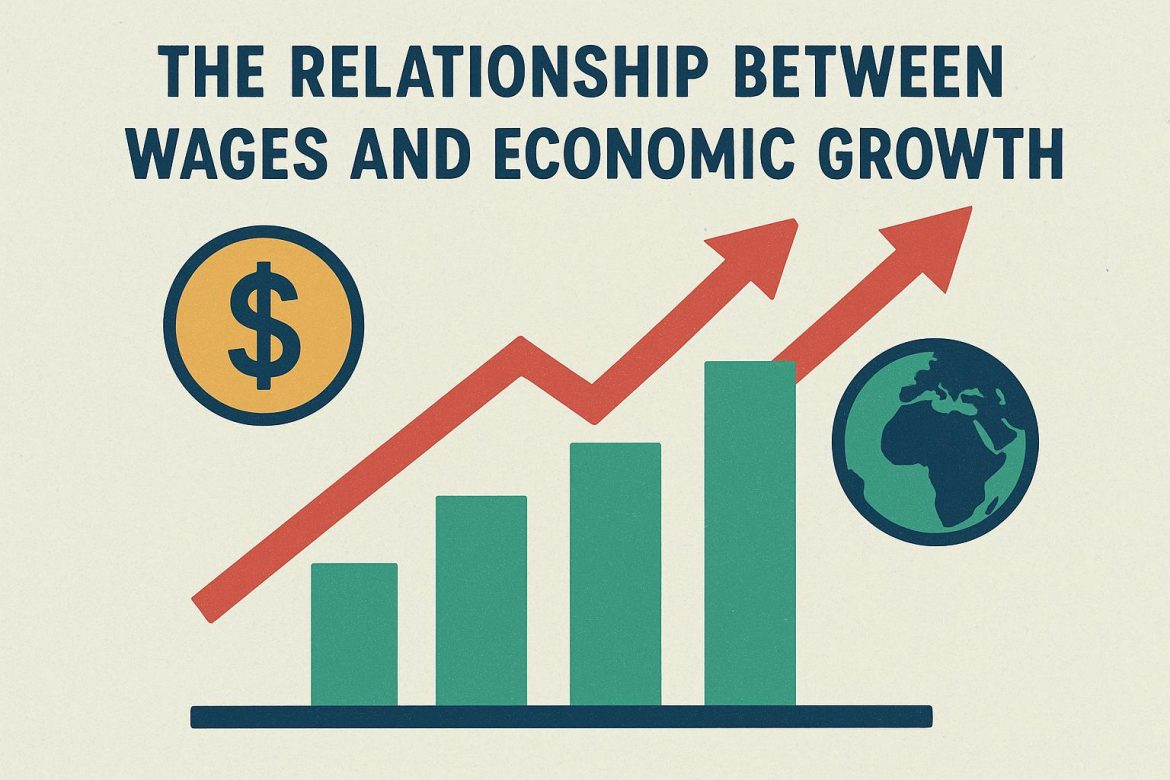
Understanding the relationship between wages and economic growth is crucial for policymakers, economists, and businesses. Both are intricately linked, affecting not only the prosperity of workers but also the overall health of an economy. This article explores how changes in wages can influence economic performance and vice versa.
Wages as an Economic Driver
Wages are a primary source of income for a large portion of the population. They significantly impact consumer spending, which is a major component of economic activity. When wages increase, workers generally have more disposable income, leading to higher consumption levels. This boost in demand can stimulate production and potentially generate more jobs, creating a cycle of economic growth. For more detailed analyses, you might want to explore insights from economic research institutes such as the Brookings Institution.
Boosting Consumer Confidence
As wages rise, consumer confidence often follows suit. When individuals feel financially stable and optimistic about their economic future, they are more likely to make purchases that they might otherwise delay. This increased spending drives more sales in retail and other sectors, encouraging businesses to expand operations and hire additional staff. As businesses grow, they generate more tax revenue, which governments can then re-invest in infrastructure, education, and other critical areas that further bolster economic growth.
Investing in Human Capital
Higher wages also allow workers to invest in their education and skills development, enhancing their employability and productivity. By cultivating a more skilled workforce, nations can become more competitive on a global scale, attracting foreign investment and fostering technological innovation. Higher earning potential not only improves individual livelihoods but also enriches the economy as a whole by enabling a more dynamic and efficient labor market.
Impact of Wage Stagnation
Conversely, when wages stagnate, consumer purchasing power diminishes. This can lead to reduced demand for goods and services, thereby slowing down economic growth. Businesses might respond by cutting costs or delaying investments, which can exacerbate unemployment rates or underemployment situations. A comprehensive report by the International Monetary Fund outlines the broader implications of wage stagnation.
Reducing Economic Resilience
Stagnant wages can also reduce an economy’s resilience to shocks. Without the capacity to spend, workers may find themselves vulnerable to financial hardships during economic downturns. Lower spending power limits households’ ability to create savings or build assets, leading to increased reliance on credit and potential debt accumulation. This financial strain can, in turn, dampen economic recovery efforts following recessions by limiting consumer demand and overall economic activity.
Economic Growth Affecting Wages
Economic growth positively impacts wages by expanding the labor market and creating more opportunities for employment. As companies experience increased profits and productivity, they may offer higher wages to attract and retain skilled workers. Additionally, a growing economy may empower labor unions and workers to negotiate better pay and conditions.
Labor Market Dynamics
Economic growth can transform labor market dynamics. In a thriving economy, the demand for labor often outpaces supply, leading to a more competitive landscape that pushes wages upward. This scenario encourages employers to innovate and invest in their workforce to gain a competitive edge. Economic expansion creates an upward pressure on wages, adjusting them to align more closely with the cost of living and ensuring that workers share in the prosperity generated by economic growth.
The Role of Productivity
One of the key factors that link wages to economic growth is productivity. When workers become more productive, they can increase output without a proportional increase in labor costs. This productivity growth often leads to higher wages and living standards. Policymakers and employers focus on boosting productivity to ensure sustained economic growth.
Innovation and Technology
Innovation and technological advancement play pivotal roles in enhancing productivity. Investment in new technologies can streamline production processes, reduce operational costs, and lead to higher quality goods and services. Workers equipped with advanced tools and systems can accomplish more in less time, making them more valuable to their employers. By encouraging training in and adoption of technology, nations can foster environments where productivity—and consequently wages—flourishes.
Global Perspectives on Wages and Growth
Internationally, the relationship between wages and economic growth varies. In some developing countries, rapid wage increases can lead to inflationary pressures if not accompanied by productivity gains. However, developed economies often experience a more stable connection where wage increases contribute positively to sustainable economic growth.
Balancing Growth and Inflation
While wage growth is typically favorable, it can also present challenges if not managed properly. In rapidly developing economies, sharp increases in wages without corresponding productivity improvements can lead to inflationary spirals. However, when wages rise in concert with productivity, they support sustainable economic growth by fostering stable prices and robust consumer demand. Therefore, policymakers in these regions must carefully balance the need for wage increases with measures to boost productivity and manage inflation.
Income Inequality Considerations
Globally, the uneven distribution of wage growth can exacerbate income inequality—a challenge that can stifle economic progress. In regions where wage disparity is stark, economic benefits tend to concentrate among a small segment of the population, limiting the broader consumption needed for sustained economic growth. By implementing policies that promote equitable wage distribution, governments can ensure that economic growth translates to improved living standards across diverse demographic groups.
Conclusion
The interplay between wages and economic growth is complex and dynamic. Policymakers need to strike a balance to ensure that wage growth is aligned with productivity improvements to foster economic health. Understanding this relationship helps in formulating strategies that promote both equitable income distribution and robust economic growth. For more in-depth discussions, consider visiting policy think tanks like the Council on Foreign Relations.
Strategic Policy Implementation
Effective wage and economic growth strategies require a multifaceted approach. This includes fostering educational opportunities to build human capital, incentivizing technological innovation, ensuring equal access to economic opportunities, and implementing supportive regulatory frameworks. By addressing these components, nations can cultivate an environment where wages and economic growth reinforce each other, leading to prosperity that is both inclusive and sustainable over the long term.
This article was last updated on: January 1, 2026