The Role of Natural Resources in Economic Development
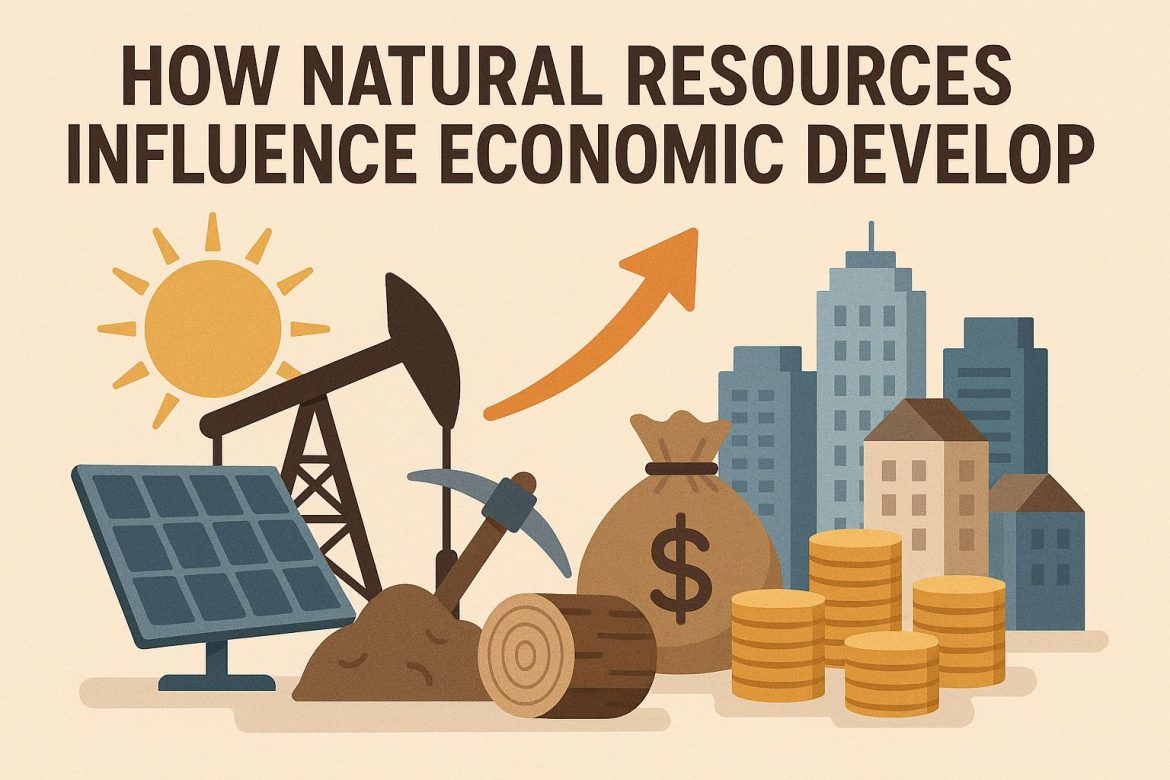
Natural resources are fundamentally important in shaping the economic landscape of nations. These resources, which include minerals, fossil fuels, water, land, and renewable sources such as wind and solar energy, are the building blocks of the production of goods and services. They not only provide necessary inputs for various industries but also have significant implications for a country’s trade balance, industrial growth, and overall economic health.
Types of Natural Resources
Natural resources are generally divided into two categories: renewable and non-renewable. Understanding the distinction between these two types is essential for developing strategies for sustainable economic development.
Renewable resources are those that nature can replenish over time. This category includes resources such as timber from managed forests, fresh water, and renewable energy sources like wind, solar, and hydroelectric power. Since these resources can be naturally replenished, they can provide a sustainable basis for economic growth if managed properly.
Non-renewable resources, on the other hand, include fossil fuels (such as oil, coal, and natural gas), minerals, and metals. These resources are limited in supply and can be depleted over time. Once consumed, they cannot be replaced on a human timescale, which necessitates careful management and efficient use to prolong their availability. Economies relying heavily on non-renewable resources must consider strategies to manage their eventual depletion and transition toward more sustainable options.
Contribution to GDP and Employment
The influence of natural resources on a country’s Gross Domestic Product (GDP) is substantial, especially for those nations that are resource-rich. In many cases, natural resources serve as the backbone of the local and national economies by fostering sectors such as agriculture, mining, and energy production. These sectors not only contribute to the GDP but also generate employment, providing jobs to a significant portion of the workforce.
For instance, in countries like Brazil, abundant natural resources have catalyzed economic growth and development. The diverse range of resources available in Brazil supports industries like agriculture and energy, which employ millions and contribute to economic output significantly. Resources like the Amazon rainforest provide both timber and opportunities for biodiversity-based industries.
Industrialization and Infrastructure Development
Abundant natural resources often act as a catalyst for industrialization, serving as the raw materials needed to develop various industries. Countries with significant reserves of a particular resource often build industries around those resources, stimulating economic activity and creating jobs.
A prime example of this is Saudi Arabia, where vast oil reserves have enabled the development of a robust oil industry. This industry not only drives the nation’s economic growth but also finances large-scale infrastructure projects, enhancing transportation, communication, and urban development. Oil revenue has played a pivotal role in funding essential infrastructure, which further supports industrial growth and diversification of the economy.
Impact on Trade Balance
The trade balance, or the difference between a country’s exports and imports, is notably influenced by natural resources. Countries that are rich in particular resources can boost their economic stability by exporting these commodities. For example, Australia’s trade balance is significantly favored by its robust exports of iron ore and coal, which comprise a considerable portion of its trade surplus. This trade advantage often leads to stronger local currencies and enhanced economic stability.
However, reliance on natural resource exports also exposes economies to global price fluctuations. Therefore, it is crucial for resource-rich countries to engage in strategies that protect them from market volatility, ensuring sustainable economic health.
Challenges and Considerations
While the benefits of natural resources are significant, there are associated challenges that need to be addressed. Over-reliance on these resources can lead to economic vulnerabilities, especially when faced with fluctuating global market prices or the threat of resource depletion. This is often referred to as the resource curse or paradox of plenty. Countries experiencing this phenomenon may see hindrances to their long-term economic growth if dependency on a single sector stifles diversification.
To mitigate these risks, diversification is crucial. Countries need to develop various sectors of their economy, reducing dependency on any single resource or industry. This diversification promotes resilience and adaptability to economic changes and opportunities.
Environmental Implications
The extraction and use of natural resources often lead to environmental challenges, including degradation and pollution. The environmental implications of resource exploitation can be severe, affecting land, air, and water quality, and contributing to climate change.
Sustainable management of natural resources is therefore essential to minimize environmental damage while leveraging resources for economic growth. Policies that promote sustainable development practices help ensure that resource consumption remains balanced with ecological preservation, benefiting both the economy and the environment in the long term.
Governance and Policy Framework
Effective governance is a critical factor in the successful management of natural resources. This involves implementing transparent policies, establishing accountable institutions, and ensuring the equitable distribution of resources. Such governance structures help maximize the economic benefits derived from natural resources while minimizing opportunities for corruption and inefficiency.
Countries like Norway illustrate how prudent resource management can be achieved through strategic governance. Norway’s model involves using revenues from its significant oil reserves to fund social investments and future-proofing its economy. By establishing a sovereign wealth fund, Norway ensures that oil revenues contribute to diverse sectors and long-term economic stability.
In conclusion, natural resources offer considerable potential for fostering economic growth. However, to effectively harness this potential, countries must adopt thoughtful strategies for resource management and economic diversification. This includes implementing sound governance practices, emphasizing sustainable resource use, and considering ecological impacts. By balancing economic development with environmental and social considerations, nations can achieve sustained prosperity.
This article was last updated on: January 8, 2026