
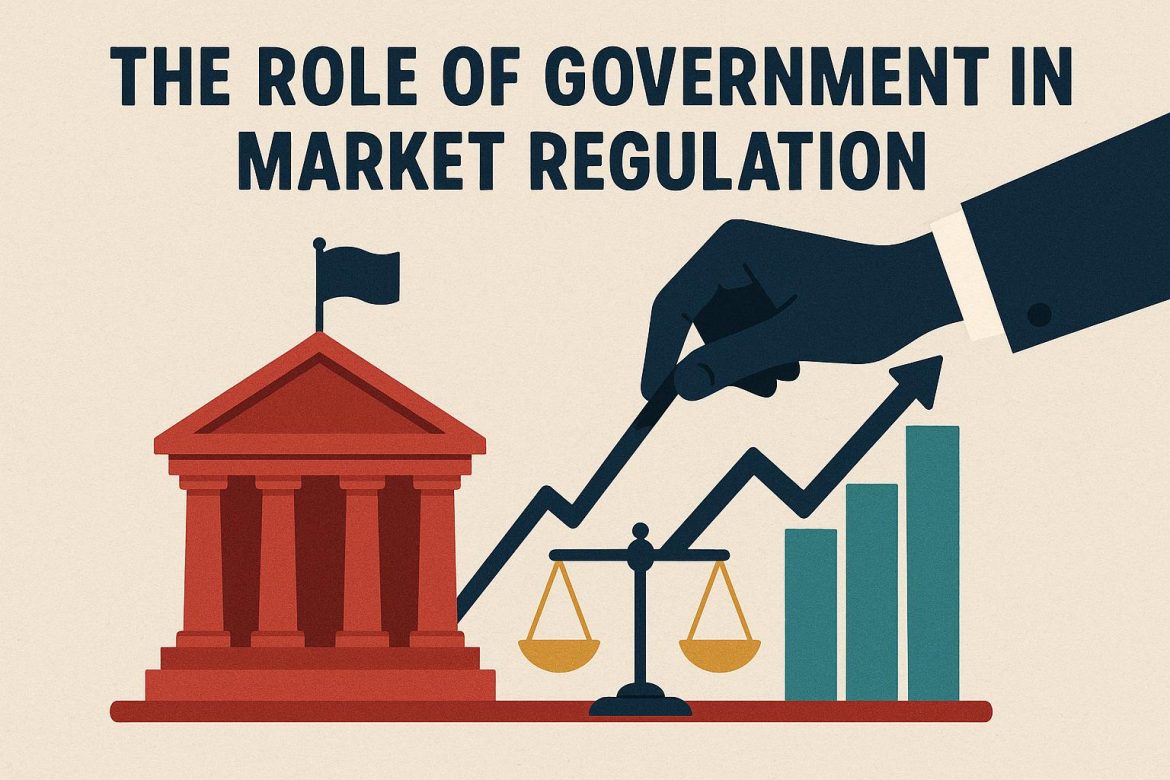
The Importance of Government in Market Regulation
The interaction between governmental entities and market economies forms a cornerstone of modern economic systems. Governments are pivotal in orchestrating a balanced marketplace that functions smoothly while safeguarding public interest. Their roles span a broad array of regulatory measures aimed at protecting consumers, fostering competition, and maintaining economic stability, all of which ensure the efficient functioning of markets.
Protecting Consumers
The duty of safeguarding consumer interests is of paramount importance within government regulations. By instituting consumer protection laws, governments establish baselines for product safety and advertising standards. These laws guarantee that consumers receive goods and services that conform to predetermined standards of quality and fairness. Such regulations act as safeguards against exploitative practices and potential harm to consumers, ensuring fairness and transparency in the marketplace. Consumers rely on these protections to make informed purchasing decisions, and regulations ensure businesses remain accountable for their offerings. The enactment of these laws also helps to build consumer trust in the market’s integrity, which is essential for economic vitality.
Promoting Fair Competition
Government efforts to promote fair competition are fundamental to healthy market dynamics. Implementing anti-trust laws is a significant measure in this regard. These laws are vital tools used to deter monopolistic behaviors and foster competitive market landscapes. Anti-trust regulations prohibit trade practices like monopolies, cartels, and mergers that substantially hinder competition. By adopting and enforcing these laws, governmental bodies ensure that no single entity monopolizes the market to the detriment of consumers and other businesses. This commitment to fair competition promotes innovation and efficiency within industries, encouraging businesses to improve their offerings continually.
Moreover, a competitive environment is essential for providing consumers with a diverse range of choices and prices reflective of market dynamics. Stability in competition also prevents hostile takeovers and predatory pricing, thus, sustaining varied business presence and vitality across industries.
Ensuring Market Stability
Governments also play an essential role in preserving economic stability, employing monetary and fiscal policies as key instruments. Regulation of interest rates is a fundamental aspect of these policies, which in turn influences inflation rates and overall economic health. Through these mechanisms, governments can alleviate or amplify the flow of money in the economy according to the prevailing economic conditions. Such interventions are crucial to prevent economic overheating and deflate bubbles, thereby cultivating an environment conducive to steady growth.
Additionally, financial regulations serve as checks to ensure that financial institutions engage in practices that do not endanger systemic stability. Regulatory agencies set guidelines and standards to monitor the activities of financial entities, aiming to foreclose the emergence of systemic risks capable of precipitating economic crises. By doing so, governments can prevent collapses similar to the financial crises witnessed in history, which have profound and lasting impacts on economies globally.
Balancing Regulation and Freedom
While the importance of regulation in maintaining market equilibrium is clear, it is equally important to temper regulation with a degree of market freedom. There is an ongoing challenge to find a balance that neither suffocates innovation through overregulation nor allows for market failures through underregulation. This delicate task involves designing regulations that achieve policy goals without imposing undue burdens on businesses.
Overregulation can lead to inefficiencies and hamper economic growth, often creating unnecessary barriers to entry and innovation. Conversely, insufficient regulation may result in market excesses or abuses that can ultimately lead to larger economic disruptions. Therefore, governments must continuously evaluate and adjust regulatory frameworks to ensure that they are fit for purpose in light of changing economic dynamics and technological advancements.
In conclusion, the role of government in market regulation is an enduring and vital part of ensuring adaptive and sustainable economic systems. Their roles in protecting consumers, promoting competition, and ensuring economic stability are integral to fostering environments where markets can thrive equitably and efficiently. By managing this careful balancing act, governments help nurture an economic climate where businesses can flourish, and consumers are safeguarded, achieving economic outcomes that benefit society as a whole.
This article was last updated on: January 25, 2026