Introduction
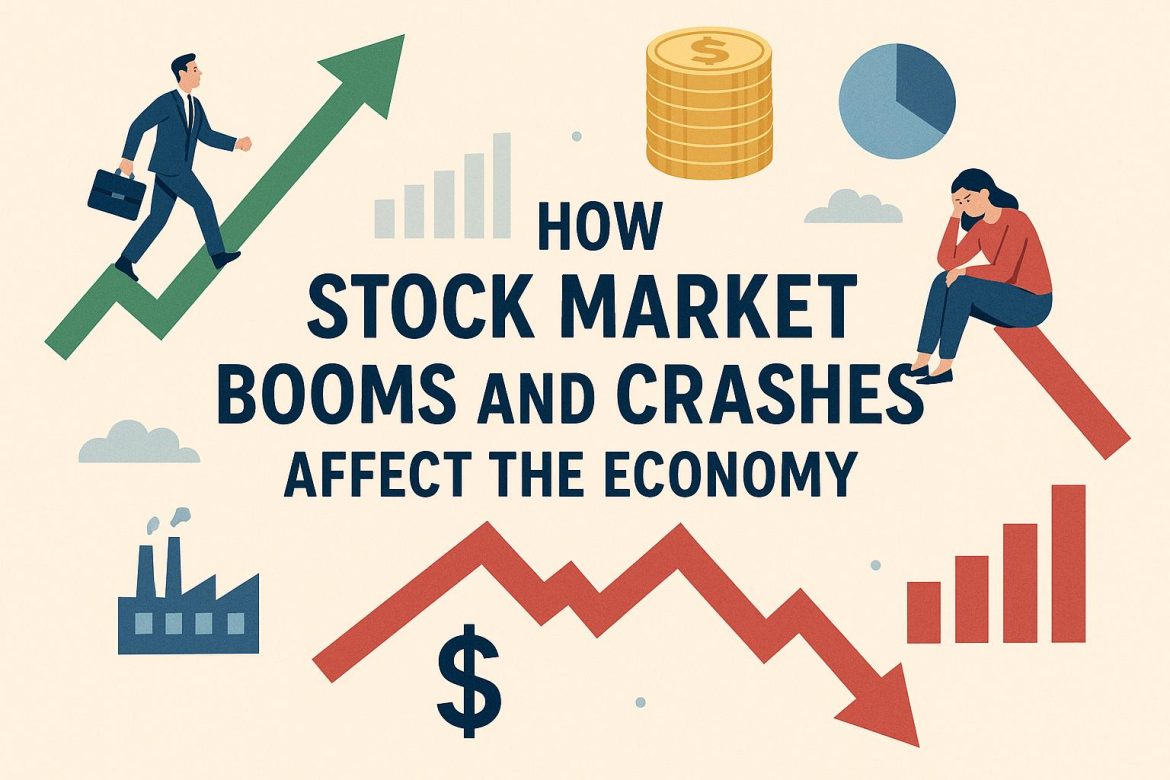
The stock market is often viewed as an essential indicator of a nation’s economic health. Both booms and crashes in the stock market have significant ramifications, not only for the financial sector but also for the broader economy. Understanding the effects of these market movements is vital for economists, policymakers, investors, and the general public alike.
Stock Market Booms
A stock market boom is characterized by a rapid and substantial increase in stock prices over a short period. Various factors can drive such booms, including strong economic indicators, technological advancements, and heightened investor optimism. The effects of stock market booms on the economy can be substantial and multifaceted.
Wealth Effect: When stock prices surge, the wealth of investors who hold these stocks typically increases. This perceived rise in wealth often leads to higher levels of consumer spending. Individuals who feel wealthier are more inclined to make purchases, both large and small, such as buying new cars, upgrading homes, or taking more vacations. This increased consumer expenditure can lead to a rise in the demand for goods and services, thereby propelling economic growth.
Business Expansion: In a booming stock market, the increased valuation of companies makes it easier for these businesses to raise capital through equity issuance. The influx of capital allows companies to invest more aggressively in expansion projects, research and development, and innovation. As businesses grow and innovate, they may create new jobs and drive technological advancements, further boosting the economy.
Increased Confidence: A robust stock market often instills confidence among consumers and businesses. When equity markets are performing well, it can generate a sense of economic optimism that translates into increased spending and investment. Companies are more likely to embark on ambitious projects and expansions, knowing that the economic climate is favorable. This contagious optimism contributes to an upcycle of economic activity.
Stock Market Crashes
Conversely, a stock market crash involves a steep, sudden, and often unanticipated decline in stock prices. The economic repercussions of such crashes can be widespread and severe.
Negative Wealth Effect: When stock prices decline sharply, the net worth of investors may plummet, leading to reduced consumer spending. Such a contraction in spending can have a ripple effect across the economy, as decreased demand for goods and services leads to slower growth and a potential increase in unemployment rates.
Interest Rates and Investment: Following a stock market crash, financial institutions may respond by adjusting interest rates to mitigate their risks. Banks, in particular, may increase interest rates on loans, making borrowing more expensive for businesses and consumers. The higher cost of borrowing can deter companies from making new investments, ultimately slowing economic expansion and innovation.
Impact on Retirement Funds: Many individuals have a significant portion of their retirement savings invested in the stock market, often through pensions, 401(k)s, or individual retirement accounts (IRAs). A pronounced market crash can severely impact the value of these savings, leading to concerns about long-term financial security and altering retirement plans.
Systemic Risks
Stock market crashes can pose systemic risks, particularly if they impact financial institutions’ stability. A significant decline in the stock market might lead to liquidity shortages within banks, potentially triggering a wider financial crisis similar to the events of 2008. It is essential for regulatory bodies and financial institutions to continuously monitor these risks to maintain financial stability and prevent such scenarios from unfolding.
Long-Term Economic Effects
The long-term economic effects of stock market booms and crashes can be profound and lasting. In response to these events, policymakers and regulators may seek to introduce new regulations aimed at reducing market volatility and fostering stability. These policy changes might involve stricter oversight of financial institutions, enhanced transparency requirements, or the implementation of protective measures for consumers and investors.
Additionally, investor behavior tends to evolve following significant market events. After experiencing the volatility associated with booms and crashes, investors might adopt more cautious and conservative investment strategies. This shift can lead to a more risk-averse market environment, with implications for how capital is allocated across various sectors.
Conclusion
The impacts of stock market booms and crashes on the economy are intricate and far-reaching. While booms can drive economic growth through increased wealth, capital investment, and heightened confidence, crashes can evoke the opposite effects, leading to reduced spending, lower investment levels, and diminished confidence. Gaining a comprehensive understanding of these dynamics is crucial for informed decision-making by all stakeholders, including policymakers, investors, businesses, and the general public.
To delve deeper into the complexities of how stock market dynamics influence the economy, individuals can explore various resources and analyses available online. These sources offer further insights into the multifaceted relationship between stock markets and economic health, empowering stakeholders with the knowledge needed to navigate an ever-evolving financial landscape.
This article was last updated on: February 1, 2026