The Effect of Foreign Direct Investment on Economic Growth
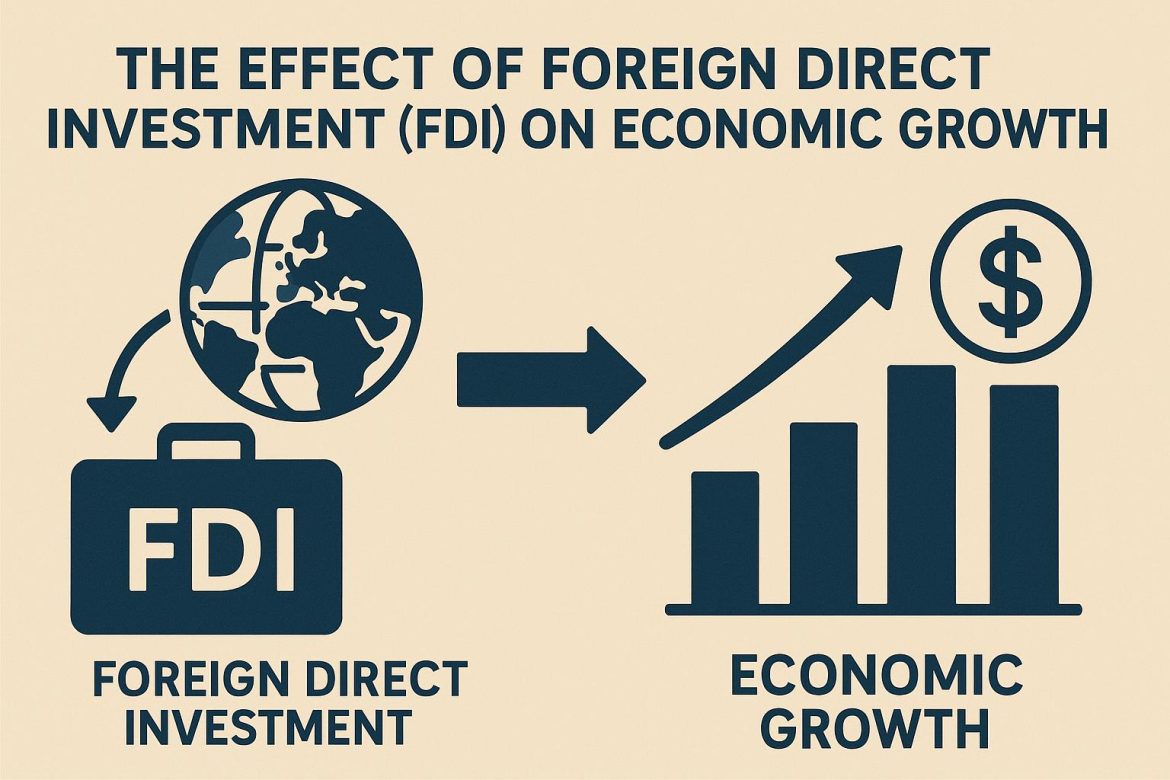
Foreign Direct Investment (FDI) plays a critical role in the global economy, significantly influencing the economic growth of the recipient countries. FDI refers to investments made by a firm or individual in one country into business interests located in another country. This phenomenon is considered a key driver for economic progress, offering numerous benefits and facing certain challenges.
The Role of FDI in Economic Development
FDI contributes to economic growth by providing capital, technology, and management resources to developing countries. This influx of resources can lead to enhanced productivity and efficiency in various sectors. One of the primary impacts of FDI is the transfer of technology, which allows recipient countries to utilize advanced techniques and processes to increase production.
Moreover, FDI can stimulate infrastructure development. Multinational corporations often develop their own infrastructure, such as transportation, communication, and energy systems, which can also benefit the local economy. When these infrastructures are in place, they facilitate further economic activities, creating a multiplier effect.
Foreign direct investments can also help diversify the economy of the host country. By attracting investments in different sectors, a nation can reduce its reliance on a particular industry or natural resources. This diversification can prove beneficial in mitigating economic risks and ensuring that various segments of the economy develop at an optimal pace.
Another critical role of FDI in economic development is the direct infusion of foreign currency, which can bolster a country’s foreign exchange reserves. An increased reserve can stabilize the local currency and provide the necessary financial backing for international trade and debt repayment obligations.
Employment and Skill Development
Another advantage of FDI is that it generates employment opportunities. By establishing new companies or expanding existing operations, foreign investors create jobs that contribute to the reduction of unemployment rates. In addition to job creation, FDI often leads to skill development. Through training and development programs provided by foreign companies, the workforce in the host country can acquire new skills and improve existing ones.
The creation of jobs is not only limited to direct employment within foreign enterprises but also triggers job creation in related sectors. Ancillary service providers such as suppliers, logistic companies, and support services can also experience growth, offering employment opportunities to local citizens.
Moreover, the skills and expertise gained from working in multinational companies can have a ripple effect on the local economy. Trained professionals often transfer their knowledge to local firms or start their own enterprises, contributing to the development of a skilled labor market over time.
Challenges Associated with FDI
Despite its many advantages, FDI is not without challenges. The introduction of foreign enterprises may lead to increased competition for local businesses. This can result in some local companies being unable to compete with foreign firms, particularly those lacking technological innovation or competitive pricing.
Moreover, the presence of multinationals might result in the marginalization of local businesses. These large, often global companies may have more resources, advanced technologies, and better access to international markets, rendering it challenging for domestic companies to thrive.
Additionally, FDI can expose the host economy to external vulnerabilities. As foreign investors may prioritize their home market’s needs, any economic downturn or policy changes in their respective countries can lead to divestment or reduced investments in the host nation.
Furthermore, FDI can occasionally result in the exploitation of natural resources without substantial benefits for the local population. It is crucial that host countries implement policy frameworks that ensure sustainable practices to mitigate adverse environmental impacts.
Policy Implications for Host Countries
To maximize the benefits of FDI, host countries can adopt specific policies aimed at attracting and regulating foreign investment. Establishing a stable political and economic environment is essential, as it provides confidence to foreign investors. Additionally, governments can offer incentives, such as tax breaks or subsidies, to attract investment in key sectors.
Another aspect is the legal and regulatory framework. By creating transparent and efficient regulatory environments, host countries can appeal more attractive to potential investors. This entails reducing bureaucratic hurdles, ensuring legal protection for investors, and enforcing property rights.
Governments should also strive to build a skilled workforce, aligning educational and training programs with the needs of foreign businesses. By ensuring that the local population is ready to meet the demands of new industries, host countries can maximize the positive effects of FDI on economic growth.
Collaborative efforts between the government and private sector can serve to address any emerging challenges swiftly. By setting up platforms for dialogue, policy-makers can get feedback from foreign enterprises and local businesses alike, enabling the process of continual improvement in legislation and practices.
In conclusion, while Foreign Direct Investment offers remarkable opportunities for economic growth, it requires careful management to harness its full potential. By implementing strategic policies and maintaining a conducive environment for investment, countries can enjoy the manifold benefits FDI has to offer. For more insights on global finance and investments, you may explore resources from the Brookings Institution or the International Monetary Fund.
This article was last updated on: February 22, 2026