Introduction to Deflation
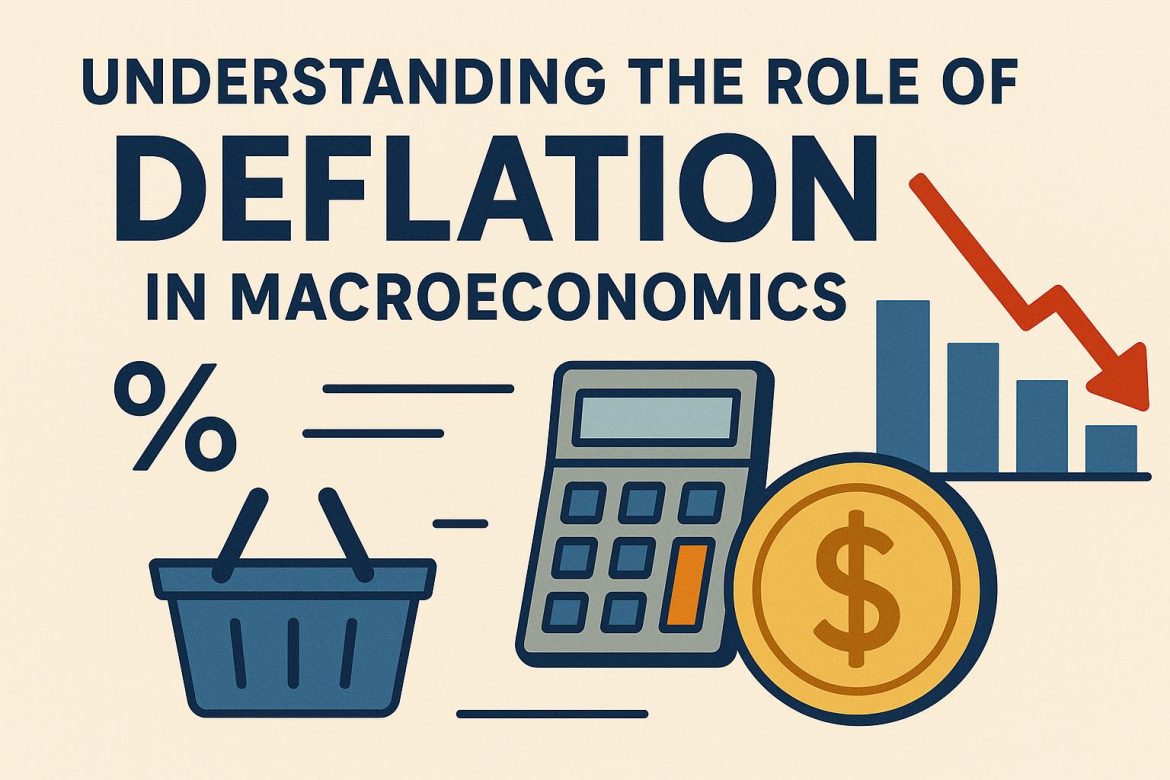
Deflation is a decrease in the general price level of goods and services within an economy. It is measured by a decline in the consumer price index (CPI) or other indices. While inflation reflects rising prices, deflation suggests falling prices, which might seem positive for consumers at first glance. However, in the context of macroeconomics, deflation can pose significant challenges.
Causes of Deflation
Deflation can occur due to various factors. One of the primary causes is a decrease in aggregate demand, which occurs when consumers and businesses reduce their spending. This slowdown in demand leads to excess supply, prompting businesses to lower prices. Another contributing factor can be an increase in productivity that outpaces demand, resulting in an oversupply of goods.
Economic policy missteps can also lead to deflationary pressures. For instance, tight monetary or fiscal policies that overly restrict the money supply or consumer spending can inadvertently promote deflation. Exchange rate variations and global economic conditions may also play a role, where strong currency appreciation might minimize export competitiveness, leading to reduced demand and lower prices domestically.
The Role of Technology
Advances in technology can also cause deflationary pressures. As technology reduces production costs and improves efficiency, prices may naturally decline. While beneficial, this form of deflation must be monitored, as it can externalize effects on employment and wage growth.
For instance, automation and artificial intelligence can result in significant labor cost reductions. This can pressure wages downward, as fewer workers are needed for certain jobs. With lower wages, households may find it difficult to maintain spending levels, further constraining demand.
Impacts of Deflation on the Economy
Deflation can have profound impacts on economies. One major concern is its effect on economic growth. As prices fall, consumers and businesses might postpone spending in anticipation of lower future prices, creating a cycle of reduced economic activity. This is sometimes referred to as a deflationary spiral.
The impact on business profitability can also be significant. Lower prices can reduce revenue streams for companies, which may force them to cut costs, often resulting in wage reductions and layoffs. These outcomes can further decrease consumer spending power and dampen economic activity.
Another significant impact is on debt. During deflationary periods, the real value of debt increases, making it more expensive for borrowers to service their debts. This can lead to increased defaults and financial stress. When the real cost of debt rises, individuals and companies may struggle to maintain loan payments, which can lead to a rise in bankruptcies and financial instability.
Impact on Central Banks
Deflation poses a challenge for central banks, which may find their traditional tools less effective. Interest rates can only be lowered so much before reaching zero, limiting the ability of monetary policy to stimulate the economy. In some cases, central banks may resort to unconventional measures such as quantitative easing.
Furthermore, deflation can undermine the transmission mechanism of monetary policy. With lower inflation or deflation, the real interest rate becomes higher, even if nominal rates are near zero, thus constraining demand. This responsibility places central banks in a delicate position where maintaining credibility and providing clear guidance is essential.
Historical Instances of Deflation
Throughout history, there have been notable instances of deflation. The Great Depression of the 1930s is one of the most cited examples, where severe deflation exacerbated economic distress globally. During this period, widespread bank failures and unemployment led to a prolonged economic downturn, highlighting how deflation can intensify economic struggles.
More recently, Japan’s economy faced persistent deflation during the “Lost Decade” of the 1990s, resulting in slowed economic growth and stagnant consumer spending. This period was characterized by an asset price collapse, persistent economic stagnation, and challenges in implementing effective policy responses to break the deflationary cycle.
Lessons Learned
These historical examples emphasize the importance of understanding and managing deflation. They highlight the need for timely intervention by policymakers to prevent deflation from becoming entrenched. Effective communication and policy coordination are critical, as indecision or conflicting measures can prolong economic difficulties.
For policymakers, the balance between preventing deflation and avoiding excessive inflation is of paramount importance. Developing proactive strategies, such as preemptive monetary easing, fiscal stimulus, or structural reforms, can help stabilize expectations and support economic recovery.
Conclusion
While deflation might initially seem advantageous due to lower prices, its broader economic implications can be detrimental. It is crucial that policymakers, economists, and businesses remain vigilant against the risks of deflation, employing strategies that ensure a balanced and stable economic environment. Proactive measures and continued vigilance can help mitigate the downsides associated with deflationary pressures, fostering an environment conducive to sustainable growth.
For more in-depth reading on the subject, consider exploring resources from institutions like the Federal Reserve or the International Monetary Fund.
This article was last updated on: March 8, 2026