Understanding Economic Mobility
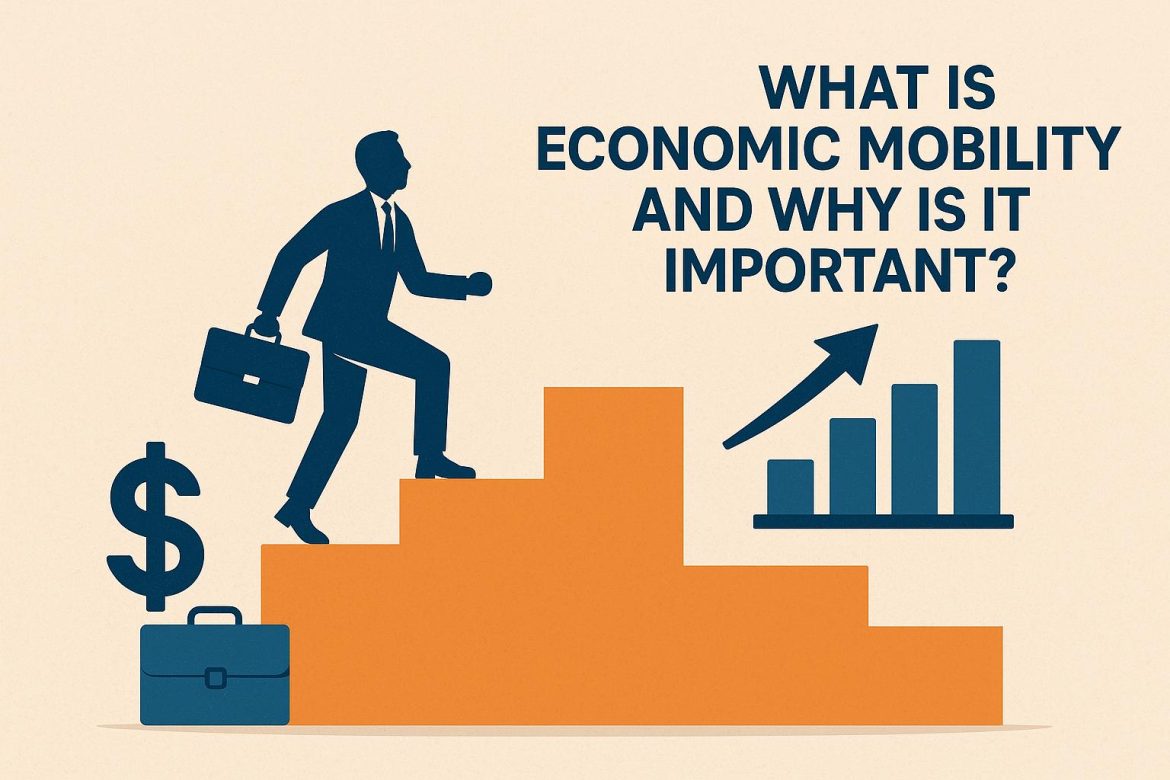
Economic mobility is a concept that describes the ability of individuals or families to move up or down the economic spectrum within a society. This dynamic movement is typically measured through various lenses, such as income changes, wealth accumulation, or occupational shifts. It serves as a pivotal indicator when assessing how well a society can offer equal opportunities to all its members, regardless of their initial standing in life.
Types of Economic Mobility
Economic mobility can be classified into different types, primarily focused on the dimensions of temporal movement either across or within generations:
Intergenerational Mobility: This refers to the shifts in social and economic status that occur between different generations within a family. For instance, if a child in a family achieves a higher income bracket or occupational status compared to their parents, this would be a case of upward intergenerational mobility. Conversely, if the child fares worse economically compared to the parents, it would exemplify downward intergenerational mobility.
Intragenerational Mobility: This category of mobility pertains to the shifts in an individual’s economic status within their own lifetime. Intragenerational mobility can manifest through various pathways — enhanced education, career advancement, entrepreneurship, or unforeseen changes in the job market, influencing an individual’s economic standing upwards or downwards over time.
Factors Influencing Economic Mobility
Several determinants actively influence the potential for mobility within a society. These factors play essential roles in either facilitating economic advancement or creating barriers to it:
Education: Education is a fundamental pillar influencing economic mobility. Access to quality education provides individuals with critical skills and knowledge, facilitating access to higher-paying jobs and broader economic opportunities. Educational attainment remains a compelling driver of upward mobility, underscoring the importance of investing in robust education systems.
Labor Market Changes: Economic shifts, such as the development of new industries or technological progress, can open avenues for mobility. These changes create new job categories and demand new skills, offering economic advancement opportunities. Conversely, the contraction of specific industries can limit mobility, especially for those whose skills are closely tied to those sectors.
Social Networks: The webs of personal and professional connections significantly impact economic mobility. These networks can furnish individuals with invaluable information about job prospects, offer mentorship, and provide access to resources that could facilitate upward movement within the economic hierarchy.
The Importance of Economic Mobility
The significance of economic mobility in a society cannot be overstated. Here are several reasons why it remains a critical societal feature:
Firstly, economic mobility is reflective of the level of equality of opportunity within a nation. Societies characterized by high economic mobility ensure that individuals possess equal chances to achieve success, primarily based on their intrinsic talents and efforts, rather than their familial backgrounds or socioeconomic origins.
Furthermore, economic mobility contributes significantly to personal and societal well-being. Individuals experiencing upward mobility are likely to see substantial enhancements in various life aspects, such as improved health, access to education, and overall quality of life. Societies that promote high mobility levels often display more dynamism and resilience, effectively allocating talent and resources to maximize productivity and progress.
Lastly, high economic mobility plays an essential role in fostering social cohesion. When individuals perceive they have real opportunities to improve their circumstances, it tends to reduce social tensions and cultivate a broader sense of fairness and inclusivity across diverse societal strata.
Challenges to Achieving Economic Mobility
Despite the desirability of economic mobility, multiple barriers can obstruct its realization. Significant challenges include pervasive income inequality, disparities in the quality of education, and unequal access to vital resources. These factors can substantially limit mobility, particularly for marginalized or disadvantaged groups within society.
To effectively promote economic mobility, it is crucial to implement policies that address these barriers. For instance, there must be concerted efforts to enhance education systems, ensuring equitable access to quality education across different communities. Improving access to healthcare and reducing systemic discrimination can also play formidable roles in supporting broader economic mobility initiatives.
In conclusion, economic mobility stands as a critical pillar of a just and thriving society. A comprehensive understanding of its mechanisms, along with the factors influencing it, equips policymakers and stakeholders with valuable insights to design interventions that foster equitable opportunities for all societal members. By prioritizing the facilitation of economic mobility, communities can work towards securing enhanced economic security and social harmony, paving the way for more sustainable and inclusive growth trajectories.
This article was last updated on: March 22, 2026