The Role of Government Stimulus Packages in Economic Recovery
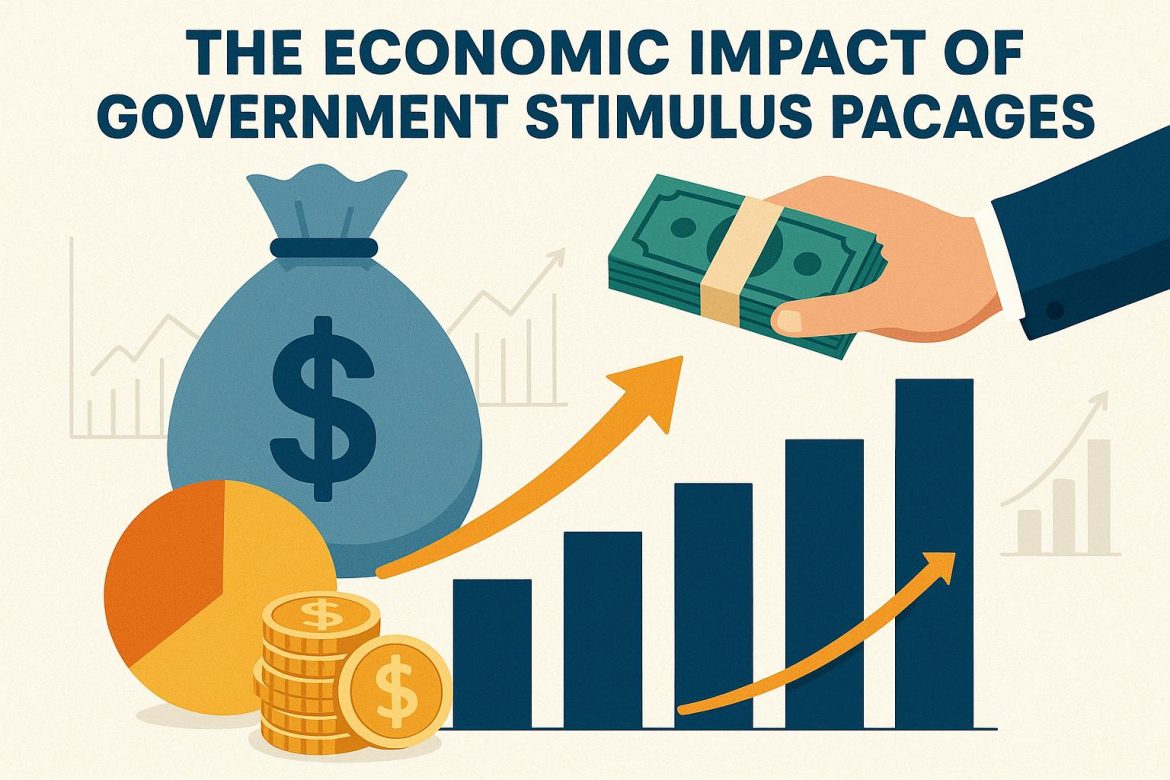
Governments worldwide often implement stimulus packages during economic downturns. These packages are designed to provide financial assistance to businesses and individuals, aiming to boost economic activity and mitigate recessionary pressures.
Components of Stimulus Packages
Stimulus packages typically consist of a variety of measures including direct financial assistance, tax incentives, and government spending. These initiatives can take the form of direct payments to individuals, known as stimulus checks, or through increased spending on infrastructure projects to create jobs.
Direct Financial Assistance
Direct payments to citizens, such as stimulus checks, aim to increase consumer spending. By providing individuals with extra cash, governments intend to spur consumption, thereby fueling demand in the economy. Such financial injection into households can contribute significantly to retail sales and service industry growth. This form of assistance is often seen during significant economic disruptions to immediately impact those most affected by financial adversities.
Another form of direct financial assistance is enhanced unemployment benefits. During economic downturns, the rate of unemployment often spikes, leaving many households without income. By extending unemployment benefits or increasing the payout amounts, governments provide a temporary financial safety net. This measure ensures that even those who lose their jobs continue to have purchasing power, thus preventing a complete collapse in demand.
Support for Businesses
Support for businesses may come in the form of loans or grants to ensure they can continue operations during challenging times. Such support helps maintain employment levels and stabilizes essential services. Business stimulus can also include temporary tax relief or deferrals, allowing enterprises to retain more capital that can be used for operational expenses, investment, or maintaining payroll.
For small businesses, which often lack substantial cash reserves, government-backed loans or grants can mean the difference between survival and failure. These funds help cover immediate costs and can be vital in sectors hit hardest by downturns such as retail, hospitality, and travel. By assisting businesses, these measures also indirectly benefit employees by safeguarding jobs.
Economic Outcomes
The effectiveness of stimulus packages in economic recovery has been a topic of much debate. While some argue these packages are crucial for economic revitalization, others question their long-term impact.
Short-term Impact
In the short term, stimulus packages can invigorate economic activity. Increased consumer spending and business investments often lead to job creation and higher production levels, contributing to an eventual economic upswing. The infusion of capital into various sectors can result in increased manufacturing, wage growth, and improved consumer confidence. When consumers feel secure financially, they are more likely to spend, creating a positive cycle of demand and supply.
Moreover, quick execution of stimulus measures during the early phases of an economic contraction can mitigate the depth and duration of recessions. It allows economies to maintain some level of functioning until natural market corrections or private sector adjustments take place.
Long-term Considerations
Though beneficial in the short run, stimulus packages can have long-term implications. Concerns often arise about increased government debt and potential inflationary effects. These factors can pose challenges to sustained economic growth if not properly managed.
Debt Implications
Governments financing stimulus measures may result in increased national debt. While debt can stimulate growth, excessive borrowing may present challenges in fiscal policy management in future economic cycles. With high debt levels, governments may face constraints in their ability to respond to future crises without risking fiscal health. High debt interest obligations could also limit government spending on other essential areas such as education, healthcare, and infrastructure in the long run.
Inflation Risks
Large-scale government spending can fuel inflation if the economy overheats, especially if it operates near full capacity. Monitoring inflation is essential to ensuring that it remains within manageable limits following a stimulus effort. If inflation spikes, it erodes purchasing power, potentially neutralizing the benefits of increased employment and income. Therefore, while implementing stimulus measures, attention must be paid to economic indicators signaling overheating or imbalances.
Global Examples
Various countries have employed stimulus packages with differing results. During the 2008 financial crisis and the COVID-19 pandemic, numerous nations implemented such measures to stabilize their economies. In 2008, the U.S. launched the Emergency Economic Stabilization Act, which funded the Troubled Assets Relief Program (TARP) to purchase failing bank assets. Similarly, during the COVID-19 pandemic, multiple rounds of fiscal support occurred, targeting both households and enterprises to navigate the economic disruptions caused by the pandemic.
In contrast, the European Union adopted different approaches by combining monetary policy with fiscal measures to ensure member countries could individually respond to economic distress while maintaining economic cohesion across the union.
The success and impact of these measures, while varying, underscore the pivotal role government intervention can play during crises.
Explore further studies on government stimulus impacts to understand the varying approaches and outcomes observed internationally.
Conclusion
While government stimulus packages play a vital role in economic recovery, their design and implementation require careful consideration. Balancing short-term economic boosts with long-term fiscal sustainability is essential to ensure the enduring health of an economy. Policymakers face the challenging task of deploying resources effectively while keeping economic fundamentals stable. Preparing for the future involves crafting strategies that not only support immediate recovery but also bolster the economic resilience for future challenges.
This article was last updated on: April 5, 2026