Understanding the Intersection of Climate Change and Macroeconomic Policies
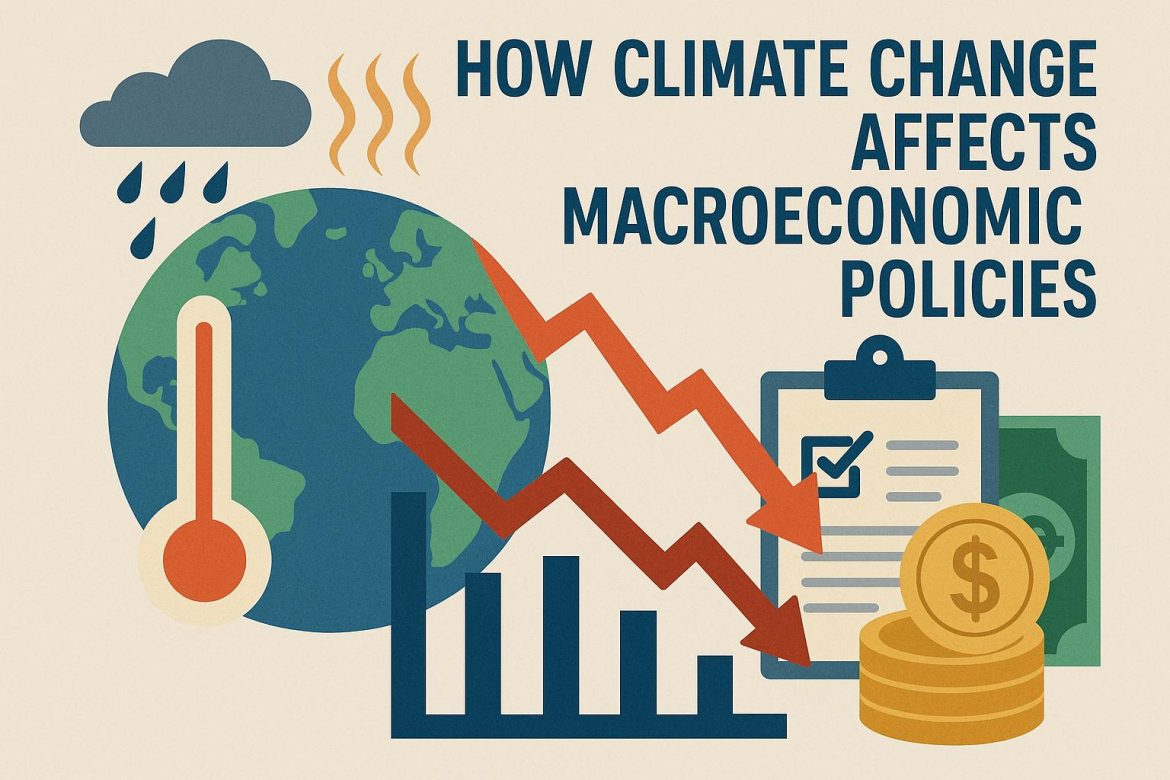
The growing impact of climate change has emerged as an undeniable force with profound effects on global economies. This impact introduces new challenges and necessitates the adaptation of macroeconomic policies to effectively manage its consequences. As such, it is crucial to explore how climate change is reshaping macroeconomic strategies and the implications these changes have for future policy decisions.
Climate Change and Economic Growth
Climate change poses a direct threat to economic growth by disrupting vital sectors such as agriculture, energy, and transportation. The resulting adverse effects can significantly alter established economic patterns and outcomes.
For instance, extreme weather events, which are becoming increasingly frequent and severe, often cause substantial damage to infrastructure. This damage leads to costly repairs and results in lost productivity across various industries. As economies grapple with reallocating resources to address climate-induced disruptions, the potential for sustained long-term growth may substantially diminish. Policymakers are thus faced with the challenge of integrating climate considerations into economic planning to safeguard growth prospects.
Inflationary Pressures
One notable macroeconomic concern arising from climate change is inflation. Weather-related disruptions can lead to significant supply chain challenges, affecting the availability of essential goods and services.
The scarcity brought about by these disruptions often results in increased prices, exerting upward pressure on inflation rates. As a consequence, policymakers must account for these inflationary shocks when formulating monetary policy. It becomes crucial to ensure that inflationary pressures do not destabilize the broader economy, which requires a nuanced understanding of the interaction between climate-induced shortages and economic variables.
Fiscal Policy Adjustments
The urgency of addressing climate change also compels adjustments in fiscal policy. Governments are increasingly recognizing the need to ramp up spending on climate adaptation and mitigation efforts.
This may involve investing in more resilient infrastructure, developing and implementing green technologies, and managing the complex interplay of fiscal commitments. However, without careful management, such fiscal measures could potentially crowd out other critical public investments. Achieving a balance between these demands requires strategic planning and efficient allocation of available resources to sustain long-term economic stability.
Investments in Green Technologies
As the transition to a low-carbon economy becomes necessary, investments in green technologies, whether by the public or private sector, become increasingly prominent.
These investments are crucial in stimulating innovation, fostering the development of new industries, and driving economic growth. Policymakers can enhance this shift by deploying incentives such as tax breaks or subsidies aimed at boosting renewable energy initiatives. Such incentives play a vital role in fostering a sustainable economic model aligned with environmental goals.
Monetary Policy Considerations
Central banks are increasingly cognizant of the implications that climate change presents for monetary policy. Climate-related risks can potentially impact financial stability, which in turn can alter credit markets and affect asset valuations.
Consequently, central banks are actively exploring methods to incorporate climate risks into their policy assessments and frameworks. By doing so, they aim to ensure economic resilience amid the unpredictable challenges posed by climate change. This involves not only acknowledging the direct impacts of climate events on economies but also understanding the broader implications for financial systems.
International Cooperation
Addressing climate change is inherently a global challenge necessitating international cooperation. Coordinated efforts can lead to more effective policies and shared solutions across borders.
Engagement in global initiatives not only facilitates access to critical funding and advanced technologies but also supports comprehensive climate mitigation efforts. Moreover, international collaboration enhances individual nations’ capacity to combat climate-related economic disruptions. By working together, countries can collectively enhance their ability to confront the challenges posed by climate change, ensuring a unified approach to a global crisis.
Conclusion
To summarize, climate change serves as a pivotal factor influencing macroeconomic policies worldwide. Its effects permeate aspects of economic growth, inflation, and fiscal and monetary policies, necessitating governments and institutions to rethink their strategies.
Adapting to this emerging reality is essential for fostering economic resilience and ensuring a sustainable future. Through strategic policy adjustments and strengthened international cooperation, nations stand to effectively address the economic challenges entailed by climate change, safeguarding both present and future generations.
In conclusion, while the realities of climate change present substantial challenges, they also offer opportunities for innovation and cooperation that could reshape economies for the better. Navigating this intersection requires an informed and proactive approach to macroeconomic policy, aimed at integrating sustainability into the fabric of economic planning and implementation.
This article was last updated on: April 12, 2026