Introduction
Supply chain disruptions have become an increasingly pertinent topic in today’s interconnected global economy. These disruptions can arise from various sources, such as natural disasters, geopolitical conflicts, or global health crises like the recent pandemic. When they occur, they can severely impede the movement of goods and services, resulting in broader economic consequences. Therefore, understanding the nuances and impacts of supply chain disruptions is crucial for businesses and policymakers alike. This understanding aids in mitigating risks and developing more robust systems that can withstand or quickly recover from such disruptions.
Understanding Supply Chains
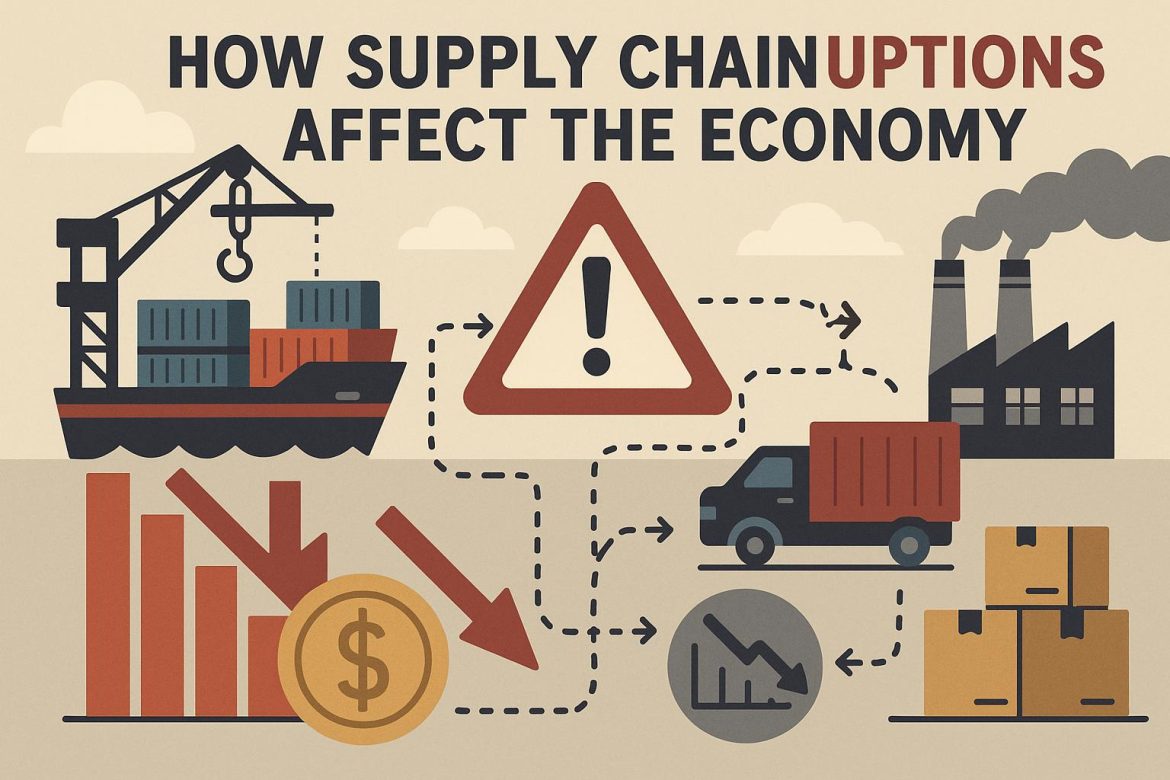
A supply chain covers the entire journey of producing and delivering a product or service. This journey begins with the procurement of raw materials and progresses through manufacturing, distribution, and finally to the consumer. When any link in this chain is disrupted, it can result in significant delays, increased production costs, and potential revenue losses. Modern supply chains are inherently complex, often involving multiple stakeholders spread across diverse geographical and political landscapes. This complexity makes them more susceptible to disruptions, with any disturbance potentially having ripple effects across the entire network.
Causes of Supply Chain Disruptions
Disruptions in supply chains can have various causes. Natural disasters, such as earthquakes, floods, and hurricanes, can abruptly halt the production of goods by damaging infrastructure and disrupting the workforce. Geopolitical issues, including trade embargoes or international sanctions, can limit the availability of essential components. For example, trade tensions between countries have impacted the global supply of semiconductors, affecting numerous industries reliant on these critical components. Additionally, health crises like the COVID-19 pandemic have demonstrated how vulnerable labor and manufacturing sectors can be, as widespread illness and preventative lockdowns significantly disrupt normal operations.
Economic Impact
The economic repercussions of supply chain disruptions can be substantial. Delays in supply chains often force businesses to incur increased operational costs. Companies may need to source materials from more expensive suppliers to continue production, thereby driving up costs. Consequently, these increased costs can be passed on to consumers, fueling inflation. In some instances, businesses may face temporary operation shutdowns, which leads to lost revenue and can negatively influence employment rates. Severe, prolonged disruptions in supply chains can even contribute to a slowdown in broader economic growth. To counter these impacts, companies frequently invest in building stronger, more resilient supply chain systems. However, these investments require significant financial outlay.
The Role of Technology and Innovation
Technology and innovation present potential solutions to manage and reduce the risks associated with supply chain disruptions. Technologies such as blockchain, artificial intelligence, and the Internet of Things (IoT) facilitate real-time monitoring and improve transparency across supply chain systems. By adopting these technologies, businesses can better predict potential disruptions and respond quickly. For instance, blockchain technology can enhance traceability and accountability, ensuring that each component of a product can be tracked and verified. Artificial intelligence can analyze vast amounts of data to predict trends and possible disruptions before they occur. Similarly, IoT devices can provide real-time tracking of goods, enhancing visibility and enabling quicker adjustments. Furthermore, investments in automation and robotics not only improve operational efficiency but also provide solutions to labor shortages during disruptive events.
Strategies for Resilience
Developing effective strategies to improve the resilience of supply chains is vital. Diversification is one approach that can help mitigate risk. By spreading operations across multiple geographic locations or suppliers, businesses can reduce their vulnerability to localized disruptions. Flexibility is another cornerstone of a resilient supply chain. Processes should be adaptable, allowing businesses to pivot or modify their operations rapidly in response to changing conditions.
Collaborative relationships with suppliers are also important for ensuring supply chain robustness. By working closely with suppliers, businesses can develop more reliable systems and processes. This collaboration can include sharing information on potential risks, aligning strategies to manage disruptions, and building mutual trust. Additionally, investing in workforce development ensures that employees are adept at using new technologies, capable of adjusting to new workflows, and prepared to address challenges that arise from unexpected supply chain disturbances.
Market Adaptability
Companies should also consider market adaptability as a critical component of supply chain resilience. This involves closely monitoring market trends and being poised to adapt to shifts in consumer demand. During disruptions, consumer behavior may change, and businesses that can quickly adjust their offerings or focus to meet new demands are more likely to thrive. Agile supply chains paired with flexible business strategies allow companies to remain competitive even in turbulent situations.
Conclusion
Supply chain disruptions are an inherent aspect of global commerce, possessing potential widespread economic ramifications. Business leaders and policymakers must grasp the complexities and impacts of these disruptions to craft frameworks that enhance resilience and adaptability. As reliance on global networks continues to heighten, investing in advanced technologies and systems is crucial. Such investments provide better control, transparency, and predictive capabilities, ensuring the stability and sustainability of supply chain operations even amidst uncertainties. By taking proactive measures, businesses can safeguard against severe disruptions, protect economic stability, and maintain a competitive edge in the ever-evolving marketplace.
This article was last updated on: March 1, 2026