Understanding Economic Bubbles
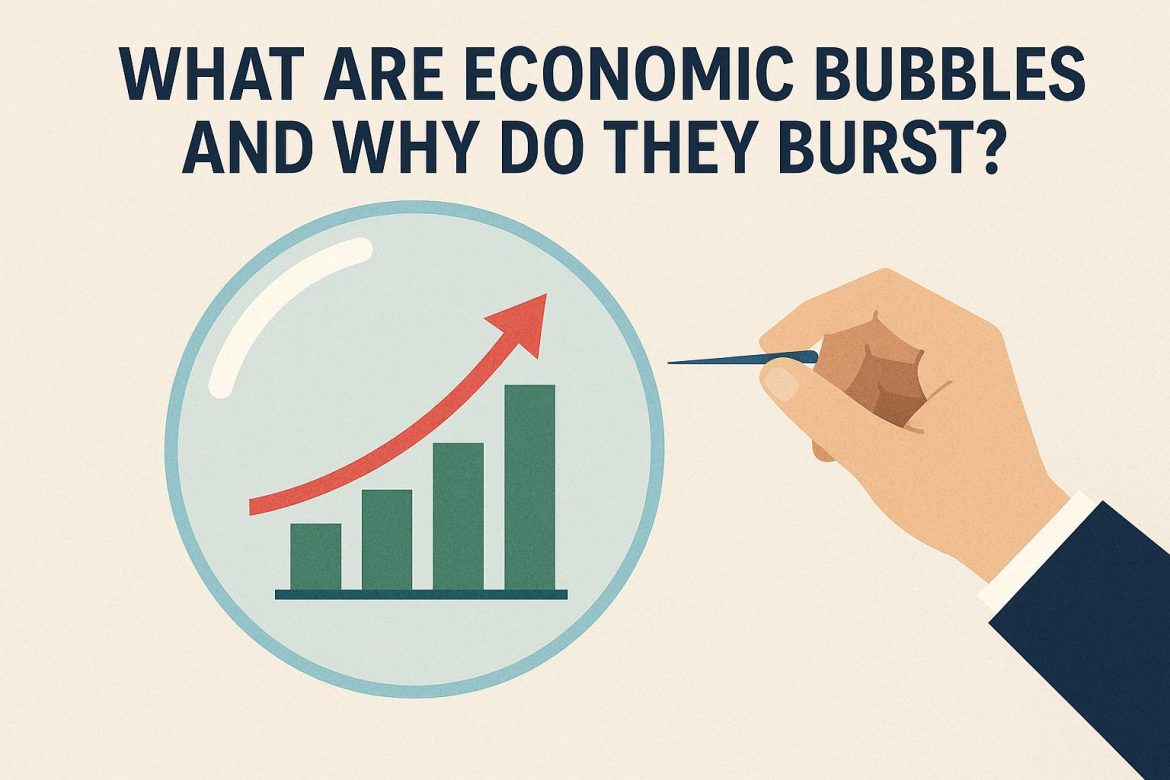
Economic bubbles are intriguing market phenomena characterized by rapid increases in asset prices, which eventually lead to sudden contractions. This process often results in a significant deviation between the market valuation of an asset and its intrinsic value. The inflated asset prices created by these bubbles are usually fueled by exuberant market behavior and heightened market liquidity, allowing prices to soar beyond what the fundamental value of the assets would dictate.
The Formation of Economic Bubbles
The development of an economic bubble is typically initiated under certain conducive market conditions. Initially, a rise in asset prices may be supported by legitimate changes in economic fundamentals, such as technological advances, new regulations, or shifts in consumer behavior. For instance, a technological breakthrough might lead to substantial demand for a new product, justifying initial price increases. However, as asset prices continue to climb, they often attract speculative investments. Speculators, driven by the desire to profit from prospective price hikes, increase demand even further. This repeated cycle creates a feedback loop where prices continue to climb further away from their intrinsic value.
Market participants, observing previously ascending prices, tend to become overly optimistic about future returns. This optimism attracts more investment, legitimating further price increases even when the underlying economic fundamentals no longer justify such growth. Speculators, often emboldened by earlier successes, fuel this trend further by investing aggressively, anticipating that they can sell the assets at even higher prices.
Speculation and Herd Mentality
Speculation is a fundamental factor in the formation of economic bubbles. Investors during a bubble period frequently buy assets based not on their intrinsic value, but on the prediction that they will be able to sell these assets at a higher price in the future. This speculative behavior is often driven by a herd mentality, where investors follow the crowd, believing they can ideally exit the market before the bubble bursts. This herd behavior amplifies irrational pricing, as more and more participants rush into the market thinking that they will not be left behind.
The herd mentality during a bubble magnifies risky behavior, leading to price levels unsupported by the underlying economic fundamentals. Participants are often swayed by market trends and peer actions rather than thorough analyses, making the market highly volatile and potentially unstable.
Market Liquidity
Market liquidity plays a crucial role in the rise of economic bubbles. High liquidity means that assets can be rapidly bought or sold with minimal impact on price. This environment is conducive to speculative behavior because it allows for swift transaction of assets, making it easier for prices to rise quickly. In such a liquidity-rich environment, prices often ascend with minimal resistance from normal market forces that would otherwise stabilize them according to fundamental values.
The ease with which assets can be traded attracts more participants to the market, increasing the volume of transactions. This higher volume of activity further inflates prices as demand persistently outstrips supply, feeding into the speculative frenzy that propels the bubble’s growth.
Why Economic Bubbles Burst
Economic bubbles, by their nature, are unsustainable and inevitably burst. A bubble’s deflation results from the fundamental issue that asset prices cannot rise indefinitely without eventually aligning with their underlying intrinsic value. When a bubble bursts, the market experiences a swift and often severe correction in asset prices.
Triggers for a Bubble Burst
The burst of a bubble can be triggered by multiple events. Key among these are shifts in monetary policy, such as increasing interest rates, which can dampen exuberant spending and curtail speculative investments. Additionally, negative news specific to the overvalued asset—such as a failure to meet projected earnings or regulatory setbacks—can incite a rapid sell-off.
As market sentiment reverses, the rapid ascent in prices can transform into an equally sudden decline. The high demand that drove prices up is often swiftly replaced by an urgency to divest, further amplifying the downward momentum. This transition from optimism to pessimism can cause severe volatility, with asset prices plummeting as fear overtakes greed.
Role of Market Psychology
Market psychology significantly influences both the inflation and deflation of economic bubbles. The collective mindset of investors shifts from confidence to doubt, resulting in panic. As psychological factors such as fear take hold, investors scramble to liquidate their positions to preempt further losses. This panic selling drives prices down rapidly, triggering the collapse of the bubble as the market attempts to realign with intrinsic values.
During the booming phase of a bubble, optimism abounds and risk-taking behavior is amplified. However, at the first sign of trouble, this confidence can quickly erode, leading to hasty withdrawals. The resulting panic exacerbates the speed and severity of the bubble’s burst.
The Aftermath of a Bubble Burst
The bursting of an economic bubble can yield severe economic consequences. It often results in vast wealth loss as asset values realign, affecting individual and institutional investors alike. Consumer spending usually reduces as confidence wanes, leading to potential downturns in economic activities. This contraction can lead to increased financial defaults and liquidity crises within financial institutions, which may face asset devaluations and an uptick in non-performing loans.
Moreover, the broader economy might enter into a recession, depending on the bubble’s scale and its interconnectedness with the larger financial systems. The lost value and reduced consumer activity can hinder economic growth, necessitating intervention through monetary or fiscal policy to stabilize the economy and restore growth trajectories.
Dealing with the aftermath of a bubble burst requires addressing both the psychological and financial fallouts. Economic policy measures may be needed to stimulate demand and restore confidence. Moreover, regulatory frameworks might be reviewed and enhanced to prevent future bubbles from forming or to limit their impact if they do.
For those seeking comprehensive insights into economic cycles and their broader impacts on markets, exploring reputable finance and economic blogs or authoritative financial news outlets is advisable. These platforms offer detailed analyses and expert opinions on economic trends, helping to contextualize the causes, effects, and management of economic bubbles.
This article was last updated on: December 25, 2025