Understanding the Complexity of Stagflation
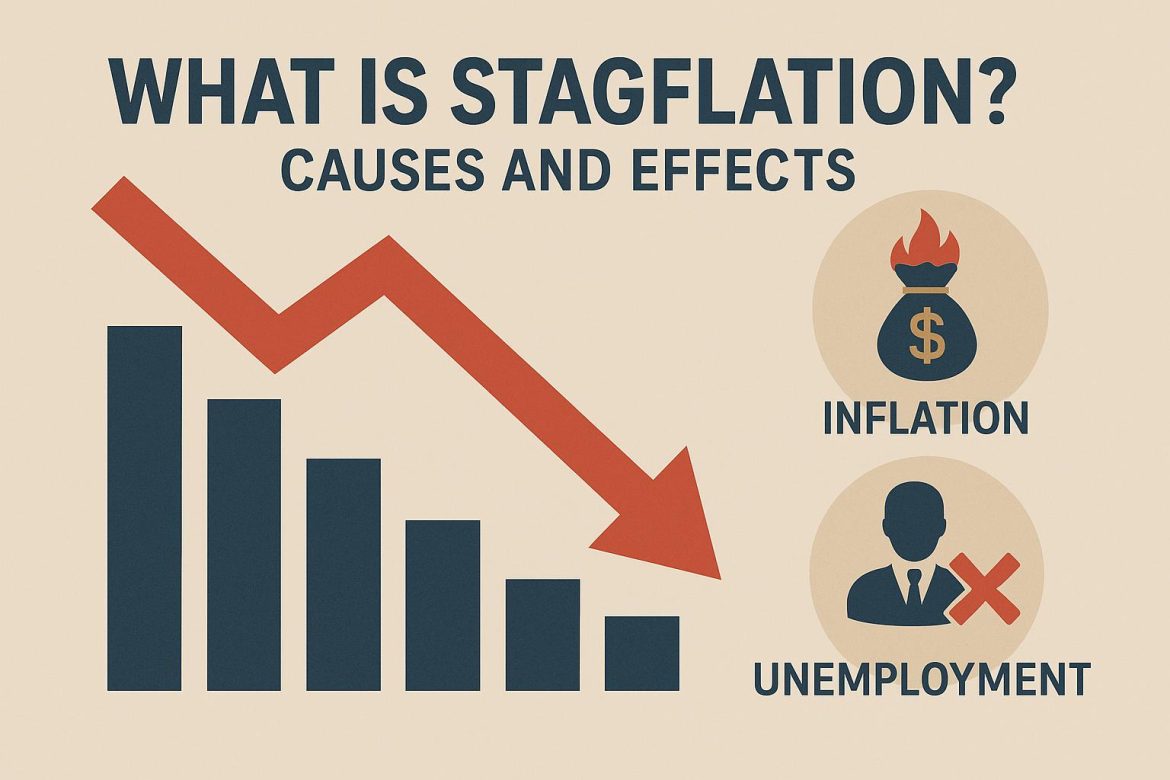
Stagflation is an atypical economic phenomenon where an economy simultaneously experiences stagnation and inflation. Unlike typical economic scenarios where inflation indicates a bustling economy with high demand, stagflation presents a perplexing contradiction with stagnant economic progress coupled with rising prices. This combination poses a significant challenge for policymakers, as the usual economic tools targeted at either inflation or stagnation may not effectively address both simultaneously. Comprehending stagflation requires an exploration of its causes, effects, and possible policy responses.
Inflation and Stagnation: Understanding the Dual Challenge
The concept of inflation revolves around the general rise in prices over time, which reduces the purchasing power of money. Economies typically experience inflation as a byproduct of robust demand or increased production costs, which are passed onto consumers in the form of higher prices. This phenomenon is often navigated through strategic economic policies that either mitigate demand or control rising costs. Conversely, stagnation signifies a period of slow or negligible economic growth, where unemployment may rise due to reduced business activities. In most scenarios, addressing stagnation involves implementing growth-stimulating policies such as reducing interest rates or increasing government spending.
However, stagflation combines these two economic conditions, creating a conundrum since the measures to combat either stagnation or inflation may worsen the other. This dual challenge requires more than conventional policy measures.
Causes of Stagflation: Analyzing the Triggers
One of the primary drivers of stagflation is a supply shock, which significantly affects production costs across an economy. A notable example of this is the dramatic spike in oil prices. Oil is a critical input for various sectors and when prices rise sharply, it raises the cost of goods and services. Companies may then transfer these costs to consumers, leading to inflation. At the same time, the increased costs can depress economic activity since both businesses and consumers have decreased spending power.
Another cause of stagflation involves inappropriate economic policies. This scenario can occur when governments and central banks fail to anticipate the broader impacts of their monetary and fiscal policies. For instance, implementing policies that heavily increase the monetary supply without concurrent reforms to address structural inefficiencies can stimulate inflation while failing to promote actual economic growth. Policymakers may thus find themselves constrained, unable to balance the inflationary pressures with measures to invigorate stagnant sectors of the economy.
Effects of Stagflation: Examining the Consequences
The repercussions of stagflation are extensive and touch various facets of the economy. For consumers, stagflation means dealing with diminishing purchasing power due to increased prices, compounded by stagnant wages because of a tepid job market. This scenario often leads to reduced consumer spending as individuals prioritize essential goods and services over luxury items. Businesses, on the other hand, see their profit margins eroding as higher input costs cannot be entirely passed onto financially-strapped consumers. This situation usually curtails investment in new projects or expansion plans, leading to a decline in economic dynamism.
On the policy front, stagflation’s unique nature poses a significant challenge. Interest rates, typically raised to combat inflation, may exacerbate economic stagnation by making borrowing more expensive, dampening investments and consumer spending. Conversely, measures like lowering interest rates or increased government spending designed to spur economic growth can further fuel inflation, creating a cycle that is hard to break.
Tackling Stagflation: Crafting Effective Policy Responses
Effectively addressing stagflation requires nuanced strategies that incorporate both monetary and fiscal tools. Policymakers must embark on targeted approaches to mitigate inflation without constraining growth. Supply-side interventions, for example, focus on alleviating production bottlenecks, thus lowering costs without stifling demand. Infrastructure investments and incentives for research and innovation can enhance productivity and create jobs, thereby reviving economic growth.
Moreover, refined fiscal policies that prioritize essential services and initiatives with high-multiplier effects can invigorate the economy. For instance, investing in renewable energy and technology while offering targeted tax incentives to businesses can stimulate growth sectors without overburdening inflationary pressures.
Addressing stagflation is inherently complex, requiring vigilance and adaptability from policymakers. By understanding the intricacies of this economic paradox, it is possible to formulate coherent strategies that not only stabilize prices but also ignite sustainable economic growth.
For those interested in delving deeper into economic indicators and crafting effective policies to address stagflation, consulting resources from established financial institutions and central banks can offer valuable insights and data-driven strategies.
This article was last updated on: January 25, 2026