The Role of Savings in an Economy
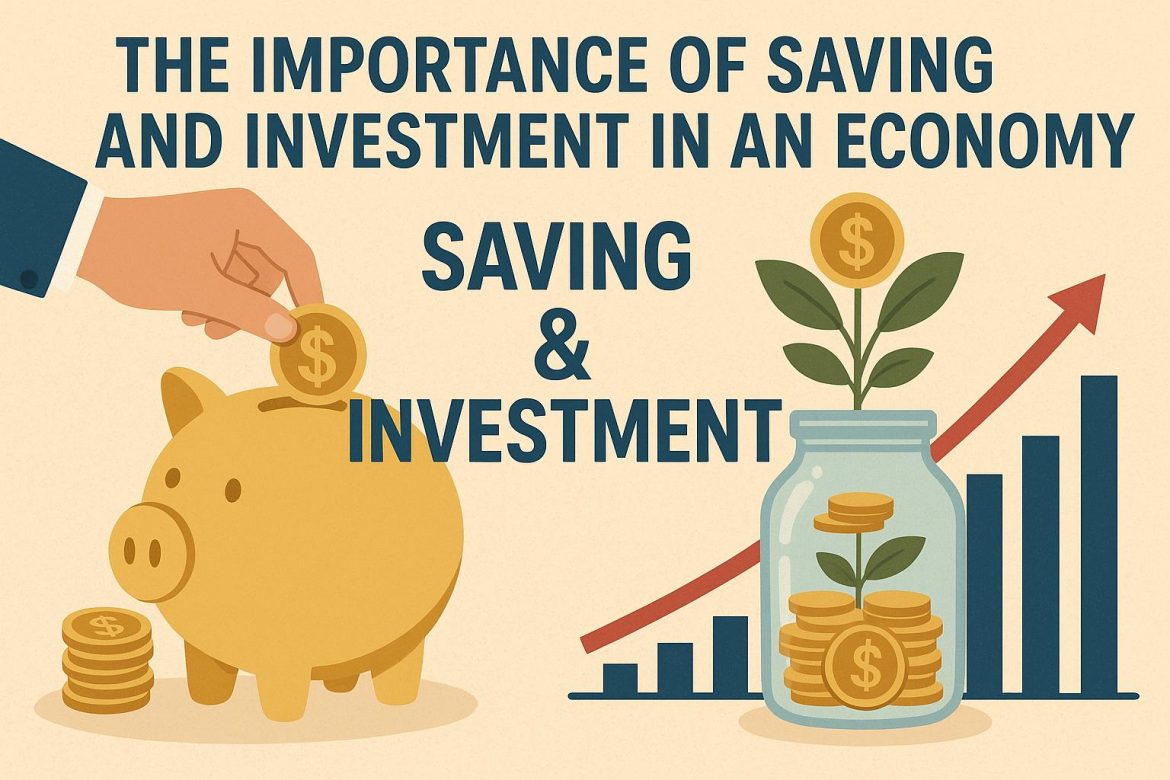
Saving is a fundamental aspect of economic stability and growth. It represents the portion of income that is not spent on immediate consumption and instead set aside for future use. In an economy, savings can drive numerous positive outcomes.
One of the primary roles of savings is to provide a cushion for individuals during economic downturns. By having a reserve of money, individuals can maintain their standard of living and continue to purchase essentials, which helps to stabilize demand within the economy. This ensures that even during challenging economic times, the demand for goods and services does not plummet, which would otherwise lead to a cascade of adverse effects for businesses and employment rates.
Moreover, savings can be redirected into investments. This redirection is crucial as it funds capital formation, necessary for production expansion, technological advancements, and the overall development of industries. Without sufficient savings, economies might struggle to amass the capital required to invest in new technologies or to expand business operations, hindering long-term economic progress. A robust level of savings can also help reduce a country’s reliance on foreign capital, creating a more self-sustaining economy. When a country can rely more heavily on domestic savings for investment, it can better control its economic destiny, minimizing vulnerability to external economic shocks or financial crises in other regions.
The Importance of Investment
Investment, on the other hand, involves the allocation of resources towards assets or projects that are expected to yield future benefits, such as generating income or appreciating in value. Investments are pivotal because they facilitate both short-term and long-term economic growth. The effects of investment can be seen in various sectors across an economy, playing a role in everything from infrastructure to innovation.
Capital investments in infrastructure, such as roads and communication networks, improve efficiency and productivity, making it easier for businesses to operate. For instance, enhanced transportation networks can reduce the time goods spend in transit, decreasing costs for businesses and broadening market access. Similarly, investments in the technology sector drive innovation, creating new industries and job opportunities. As technology evolves, it can lead to the development of entirely new markets or transform traditional industries, fostering economic dynamism.
Human capital investment, such as education and training, enhances the skills and productivity of the workforce, which is equally essential for economic progress. By improving the quality of the labor force, economies can become more competitive and adaptable in the face of global challenges, ensuring sustained economic growth.
How Savings Channel Into Investment
Savings and investment are intertwined through financial intermediaries such as banks and financial markets. When individuals save, they often deposit their funds into banks or invest in financial instruments. These savings then become available as loans for businesses or individuals looking to invest. This flow of savings into investment is facilitated by the financial system, which links savers with borrowers, providing a mechanism for the efficient allocation of resources.
The process by which savings are transformed into investment depends on various factors, including interest rates, investor confidence, and government policies. Lower interest rates can encourage borrowing and investment, while policies that provide incentives for investment can also stimulate economic expansion. For instance, tax breaks on investment income or allowances for capital expenditures can encourage businesses and individuals to allocate more resources toward productive investments.
Impact on Economic Growth
The symbiotic relationship between saving and investment is vital for sustainable economic growth. High levels of saving enable greater capital accumulation, leading to more investment opportunities. Increased investment results in higher production capacity and economic output. This chain reaction underlines the importance of maintaining a balance between saving and consumption in an economy.
Conversely, without sufficient savings, an economy may struggle to fund critical investments, stalling economic growth. This relationship influences economic policies, where governments may focus on measures to encourage both saving and investment through tax incentives or interest rate adjustments. Moreover, in economies over-reliant on consumption, sustaining long-term growth without corresponding saving levels may lead to increased borrowing and debt, which can pose risks to economic stability.
The Balance of Savings and Investment
Achieving the right balance between savings and investment is crucial. An economy with excessive savings and insufficient investment might experience stagnation, as saved resources could remain untapped for productive purposes. On the other hand, too little saving and excessive reliance on foreign capital for investment can lead to vulnerabilities and external indebtedness. Therefore, carefully crafted economic policies that encourage an optimal level of both are essential for fostering long-term economic health and resilience.
Conclusion
In conclusion, savings and investment are cornerstones of a robust economy. Savings provide stability and a source for future investments, while investments drive economic growth by enhancing productivity and innovation. For individuals and policymakers, understanding the dynamics between savings and investment is crucial in fostering an environment conducive to sustainable development. Emphasizing the importance of financial education and planning can help improve savings rates, while thoughtful economic policies can stimulate productive investments. Balancing these elements is key to ensuring a thriving, resilient economy capable of withstanding future challenges.
For further exploration of how savings and investments contribute to economic prosperity, consider reading more on the International Monetary Fund or World Bank websites.
This article was last updated on: October 27, 2025